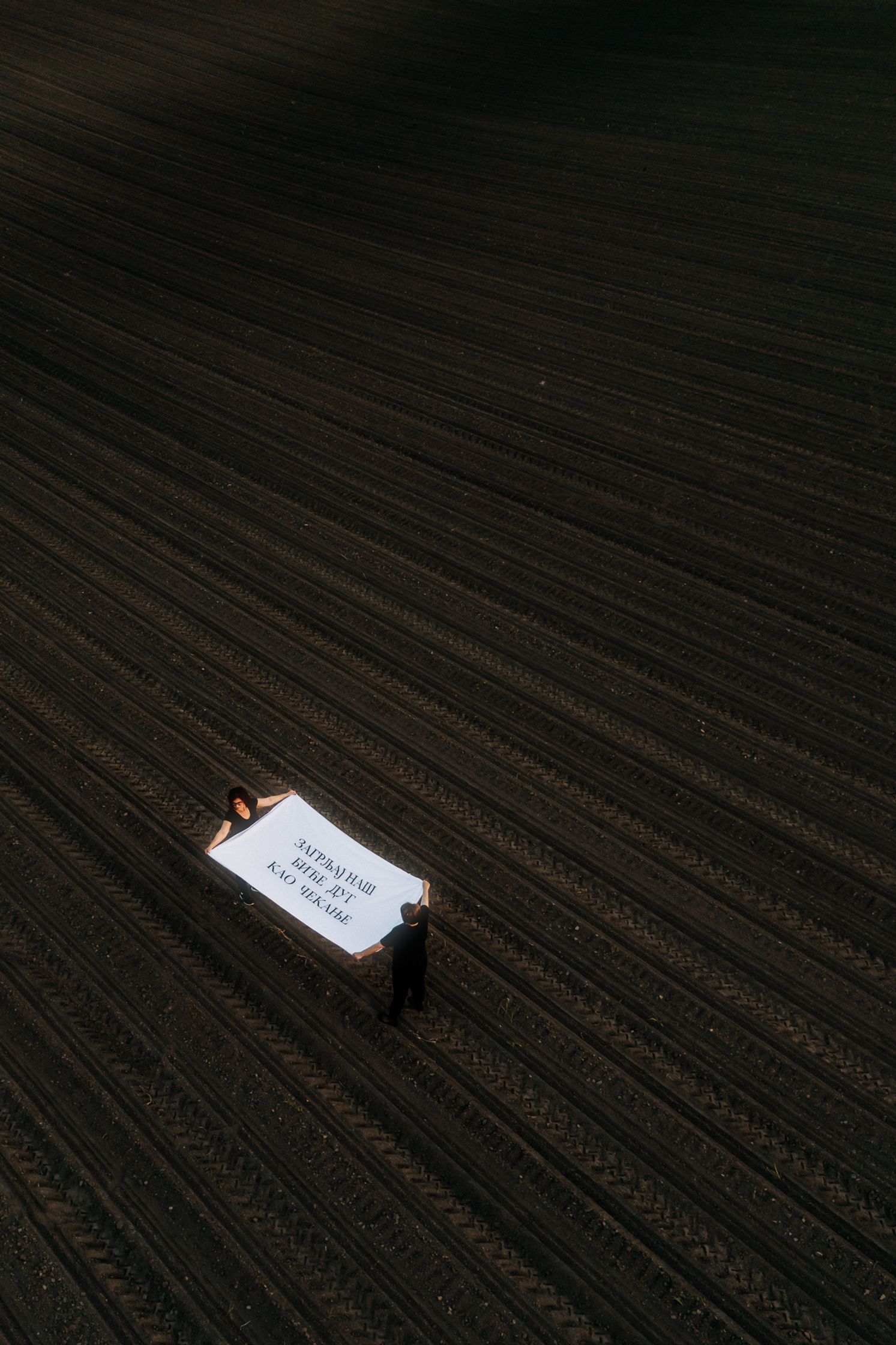
OUR EMBRACE WILL BE LONG, LIKE THE WAITING
Before Baranja, there was you.
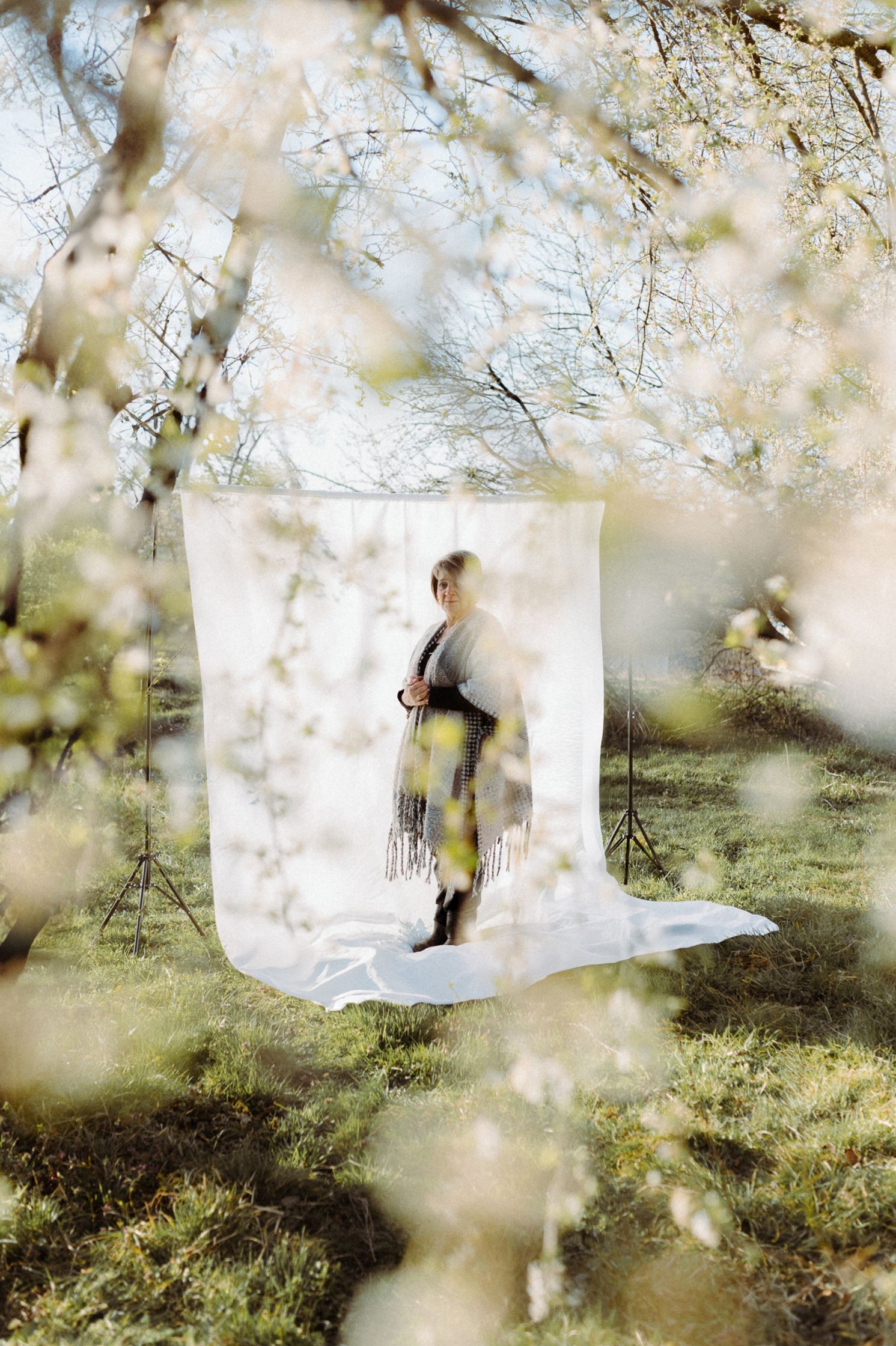
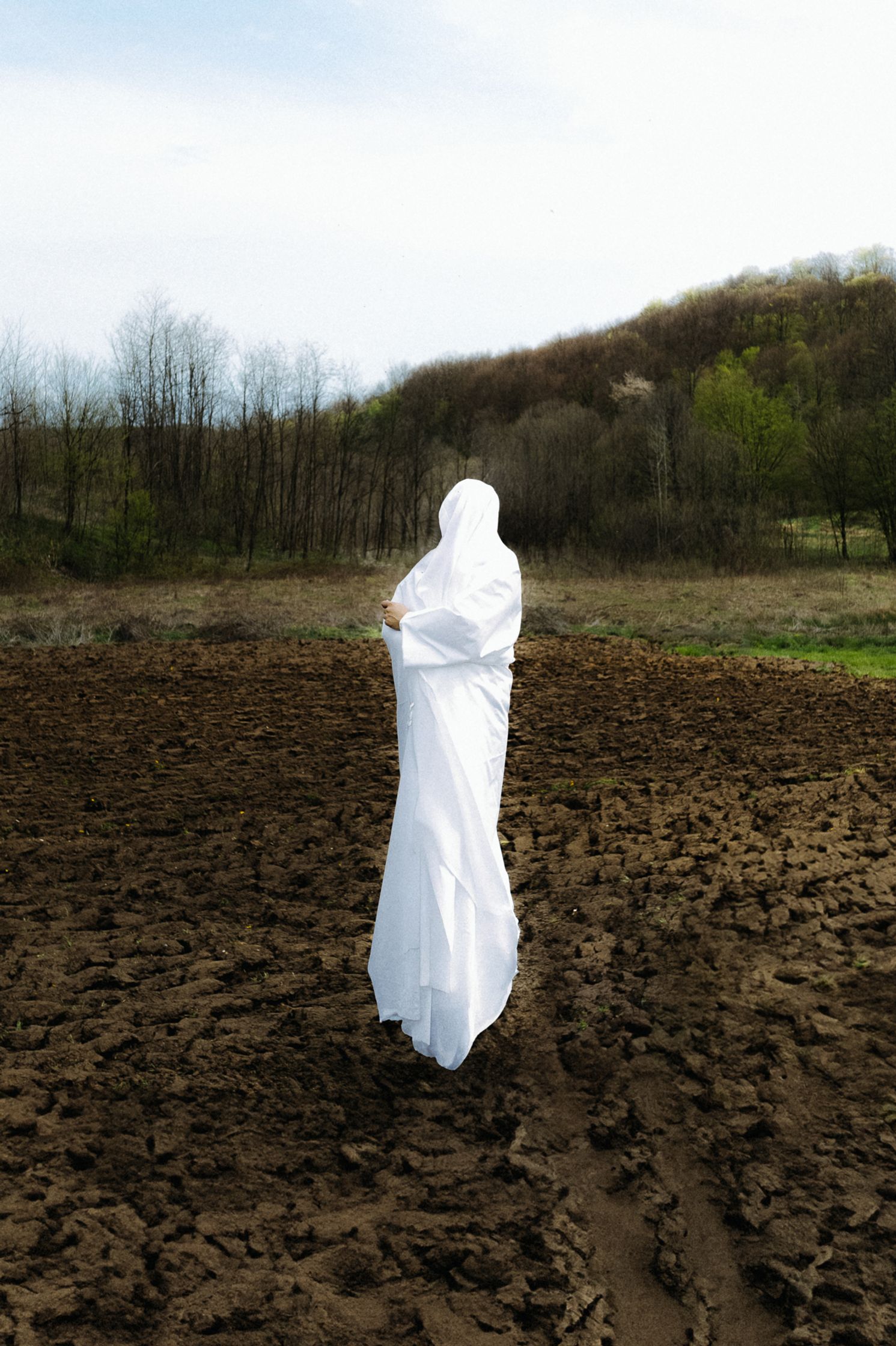
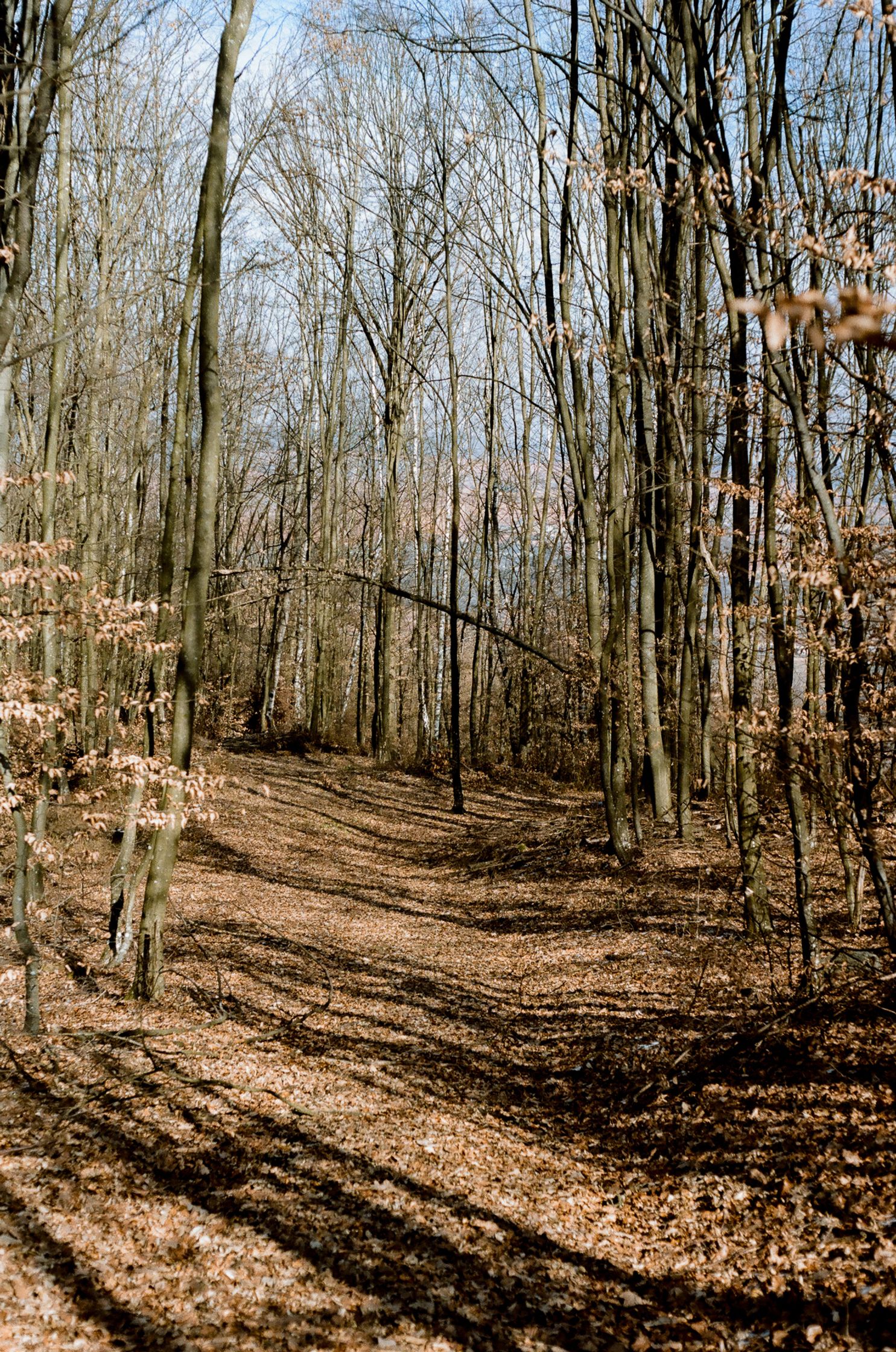
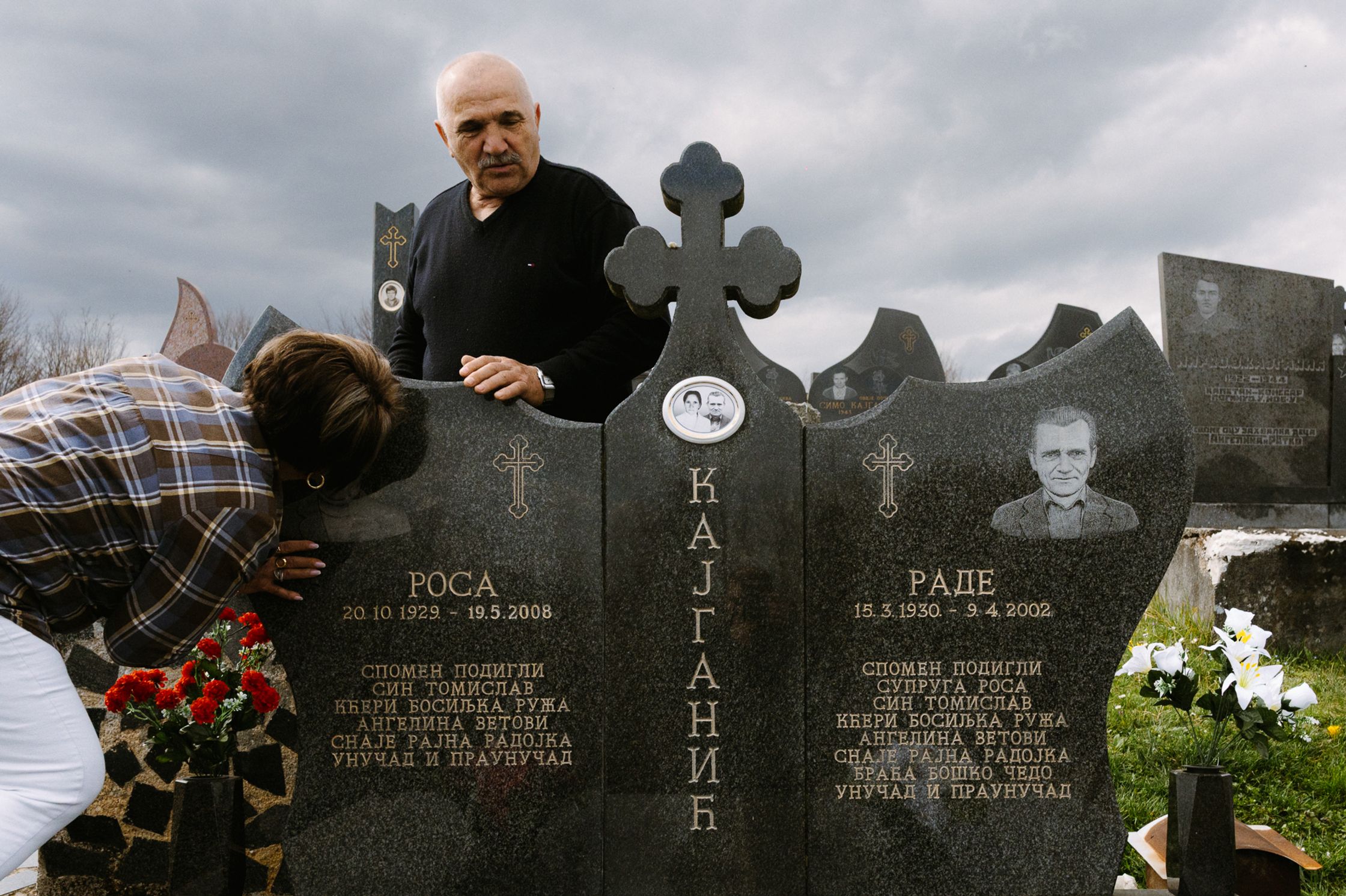
This series follows a personal universal story of family, loss, and belonging. It moves through themes of identity, migration, and spatial and emotional borders, with my mother at the center of everything. Today, she lives between Baranja, where she raised her family, and her native village of Stanari in Bosnia, where she occasionally visits her brother and sister, as well as the graves of her parents and another brother who died in the war.
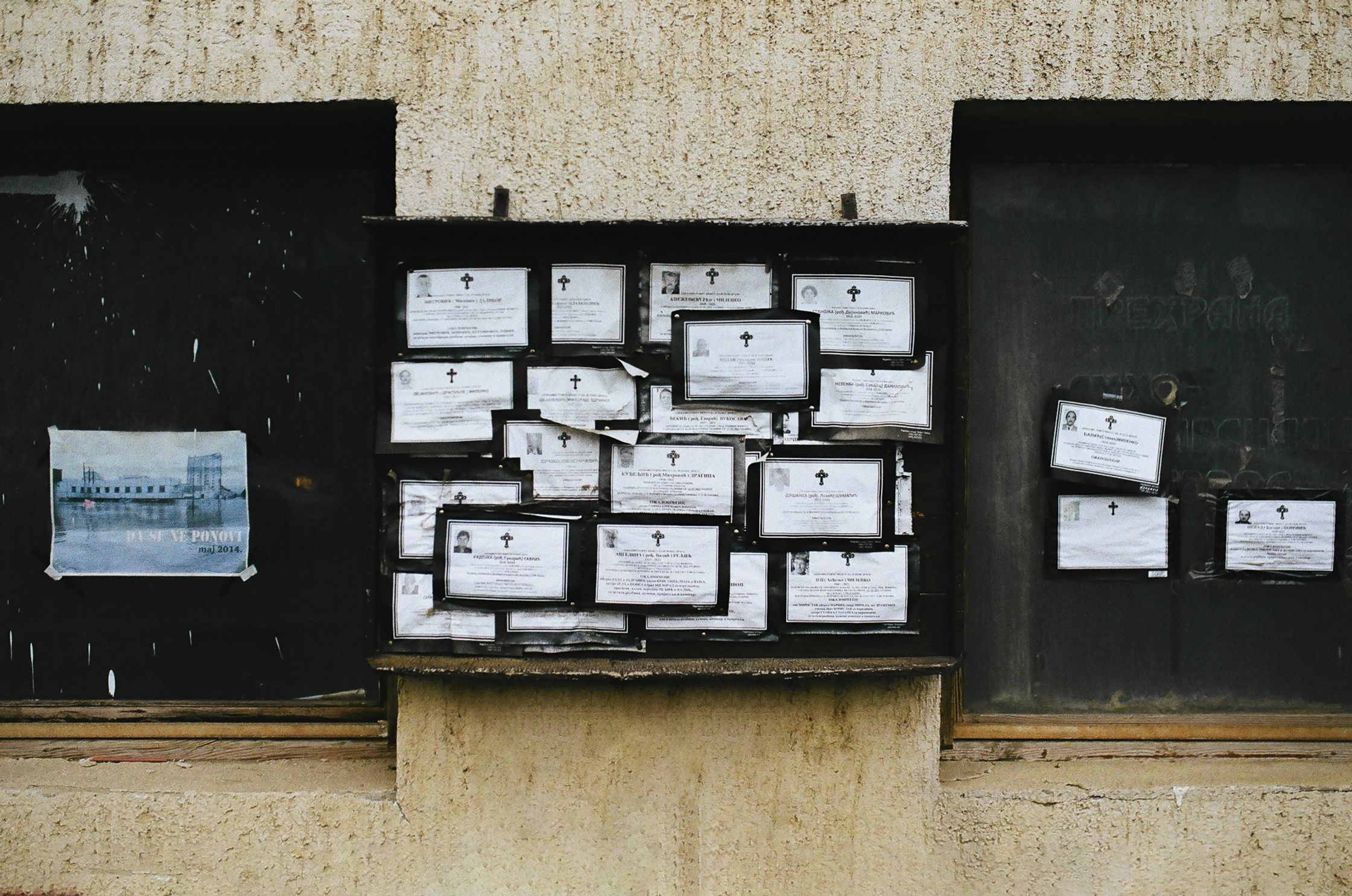
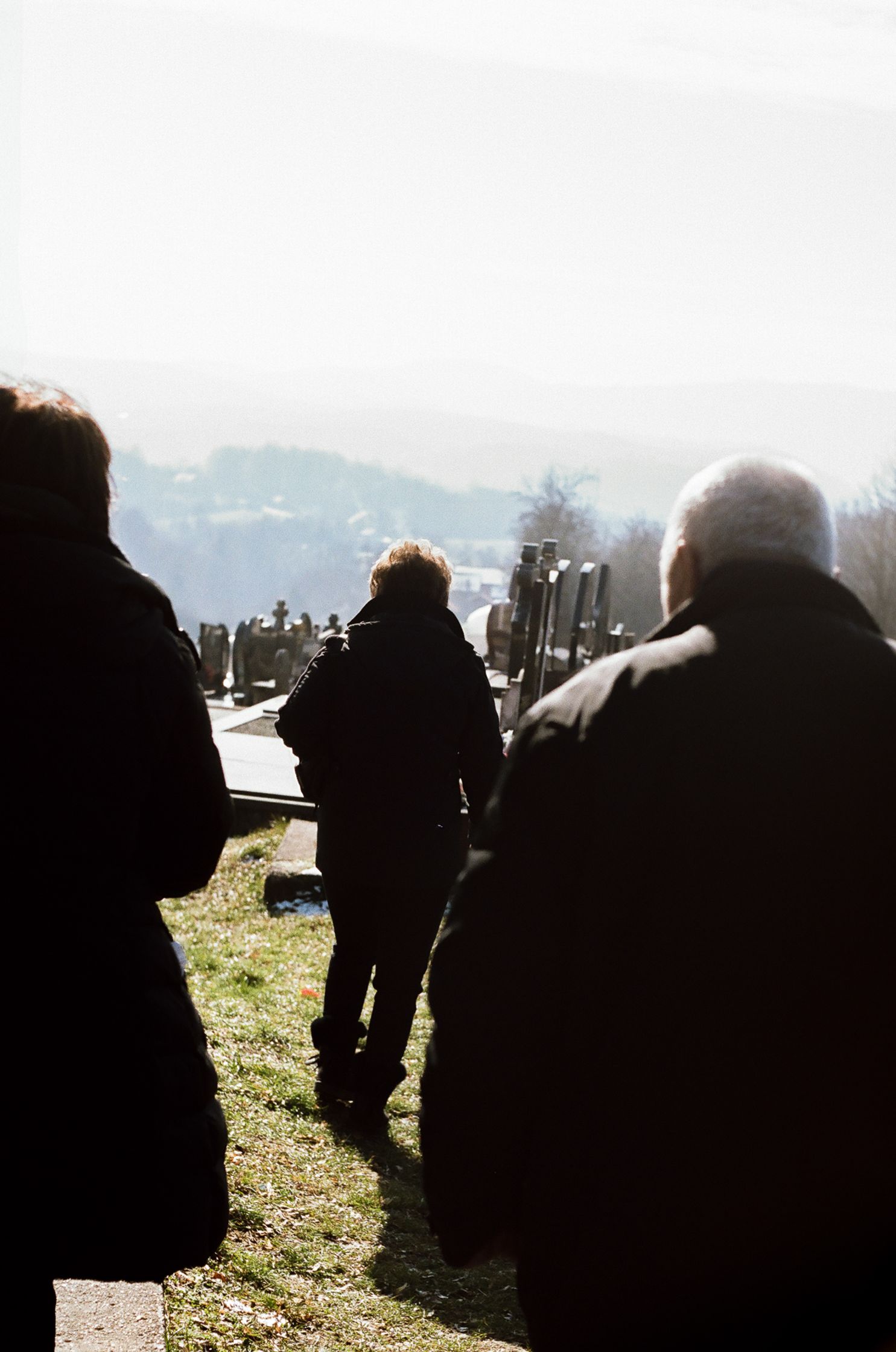
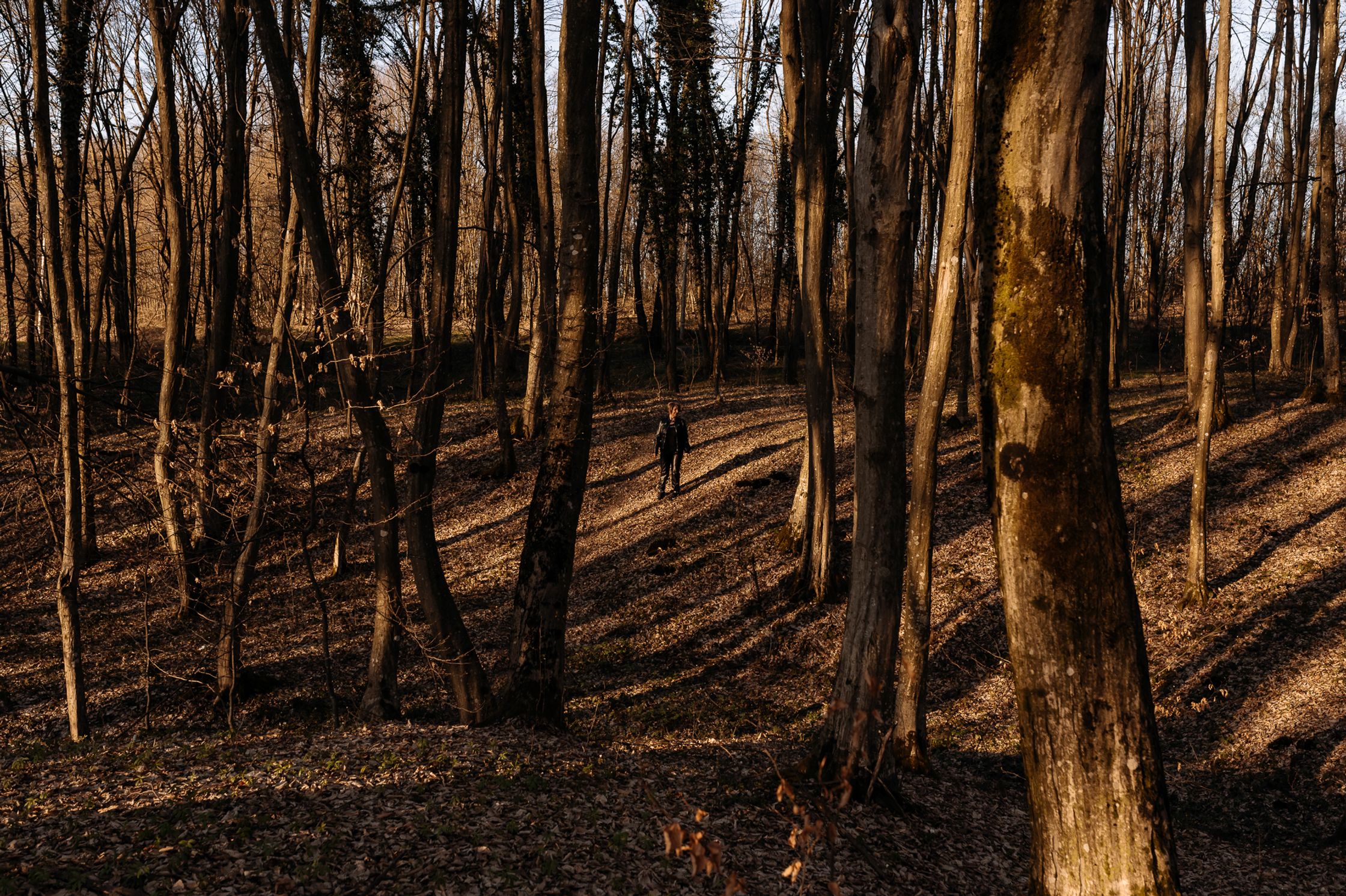
These occasional travels to Bosnia are not escapes, nor returns – they are rituals of belonging: walks across borders carved by history, politics, and time into space and body. Visiting the cemetery becomes her quiet remembrance – a dialogue with what remains, and with those you can no longer reach by hand, but still can with your heart.
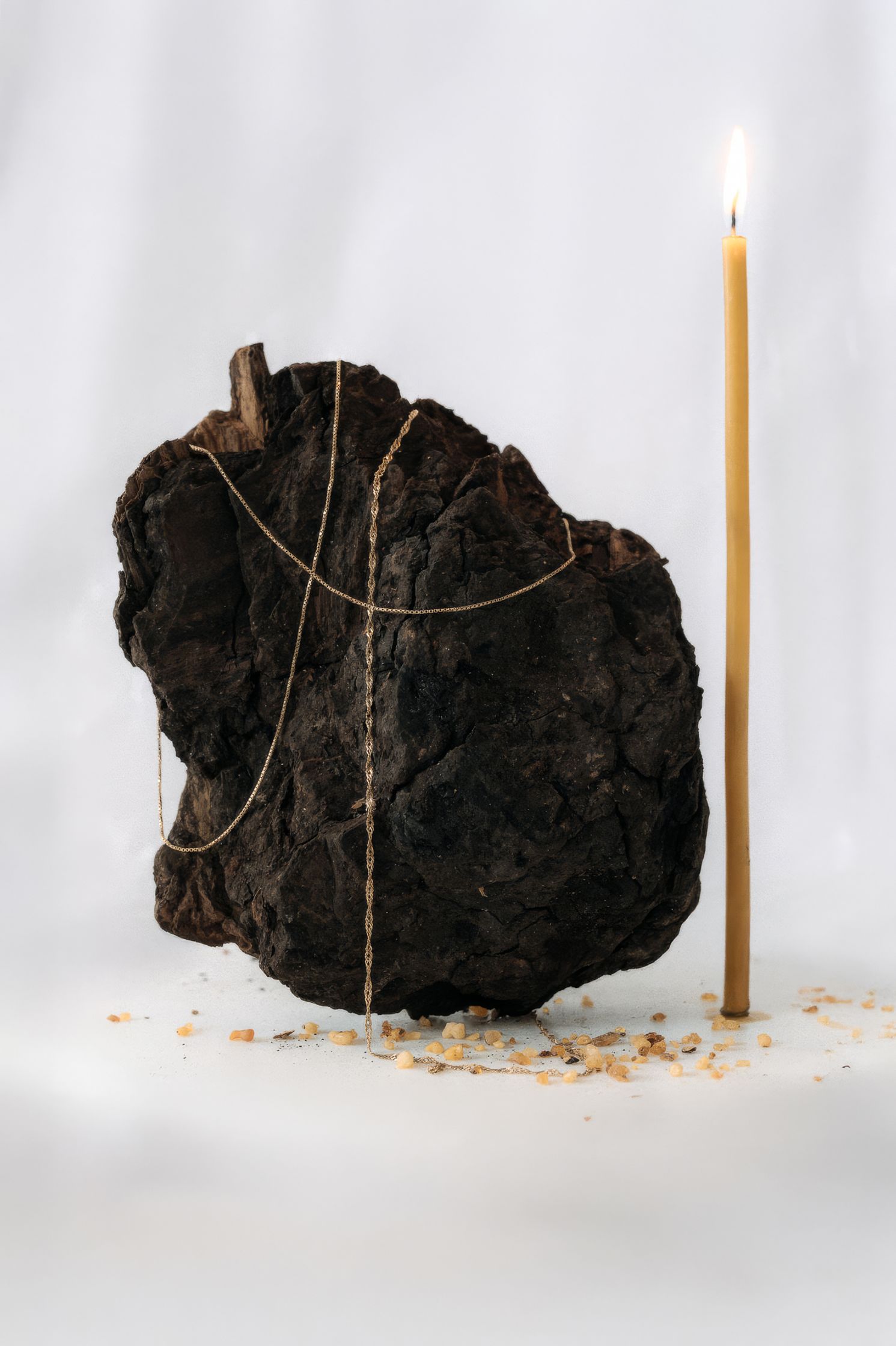
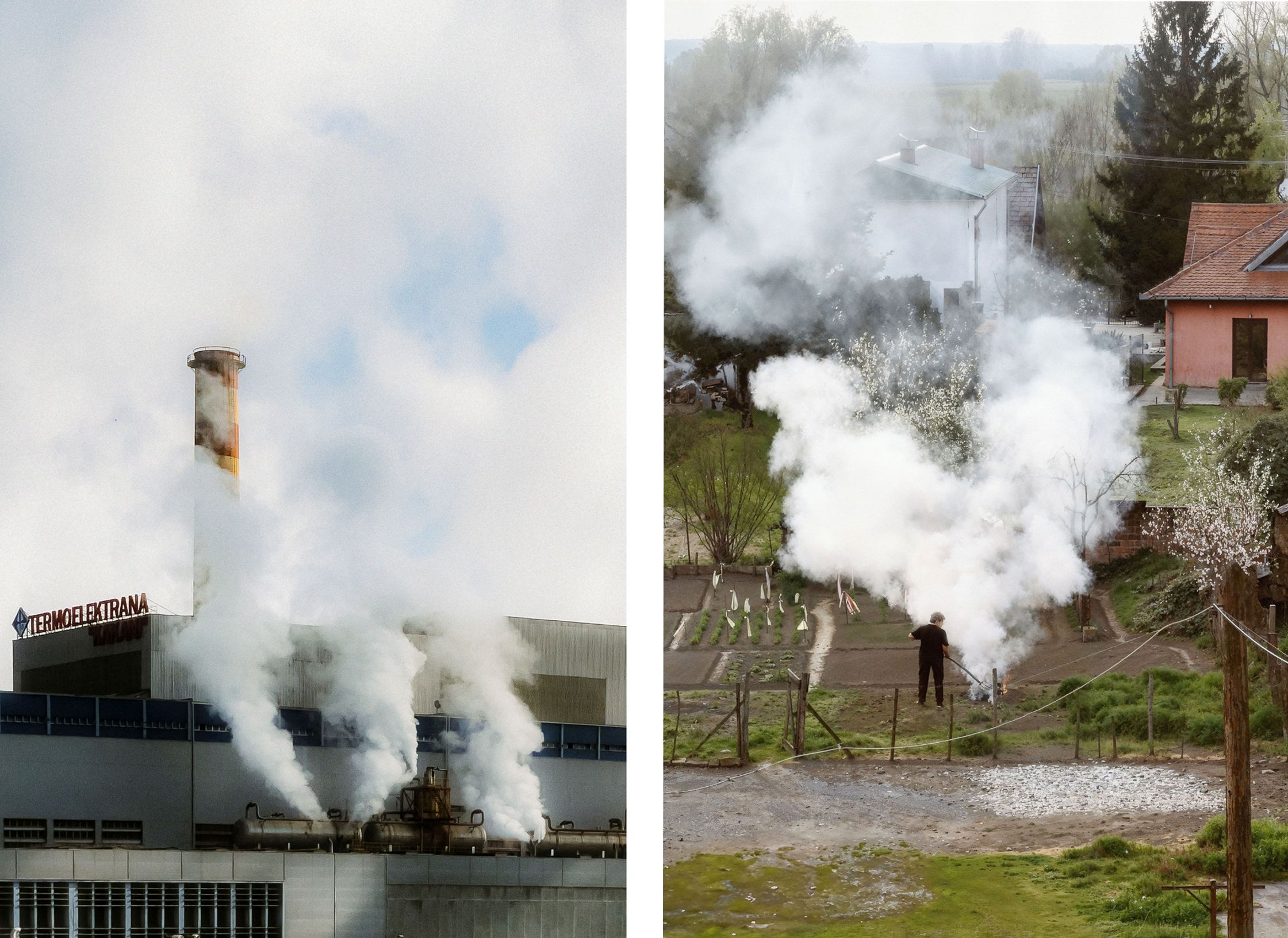
This story emerges from a place marked by industry and hard physical labor – the mine where her brothers worked and the nearby thermal power plant symbolize collective life. I take coal and gold as symbols of work and value, which my mother carries, and candle wax as a reminder of transience and memory. The project also includes objects from the home – pots, an old clock, photographs – not just everyday items, but traces of presence. You can still feel the scent, human warmth, labor, and atmosphere in them.
This work is not just a personal archive, but a story about a connection that transcends time, war, and separation. Two sisters left Bosnia together and went to Croatia, but the war in the new state separated them – one stayed in occupied Baranja, the other in Osijek. For four years, they had no contact with each other and their families in Bosnia. They met again in Baja, which served as neutral ground in Hungary, where a refugee camp was located. One traveled through Croatia, while the other came from Serbia. That encounter – silent but full of emotion – embodies everything this series carries: the trace of war and the quiet strength of a woman to preserve, endure, and reconnect what was separated.
A mother is like a bridge. Through her, spaces connect, and the past and present find a common language. In her simplicity and perseverance, there is a quiet resistance to forgetting. Through this series, her story becomes mine – written in light, absence, and closeness. It is my form of redemption for the moments when I wasn't closer, didn't understand, or didn't help. Maybe I didn't know how. I'm sorry.
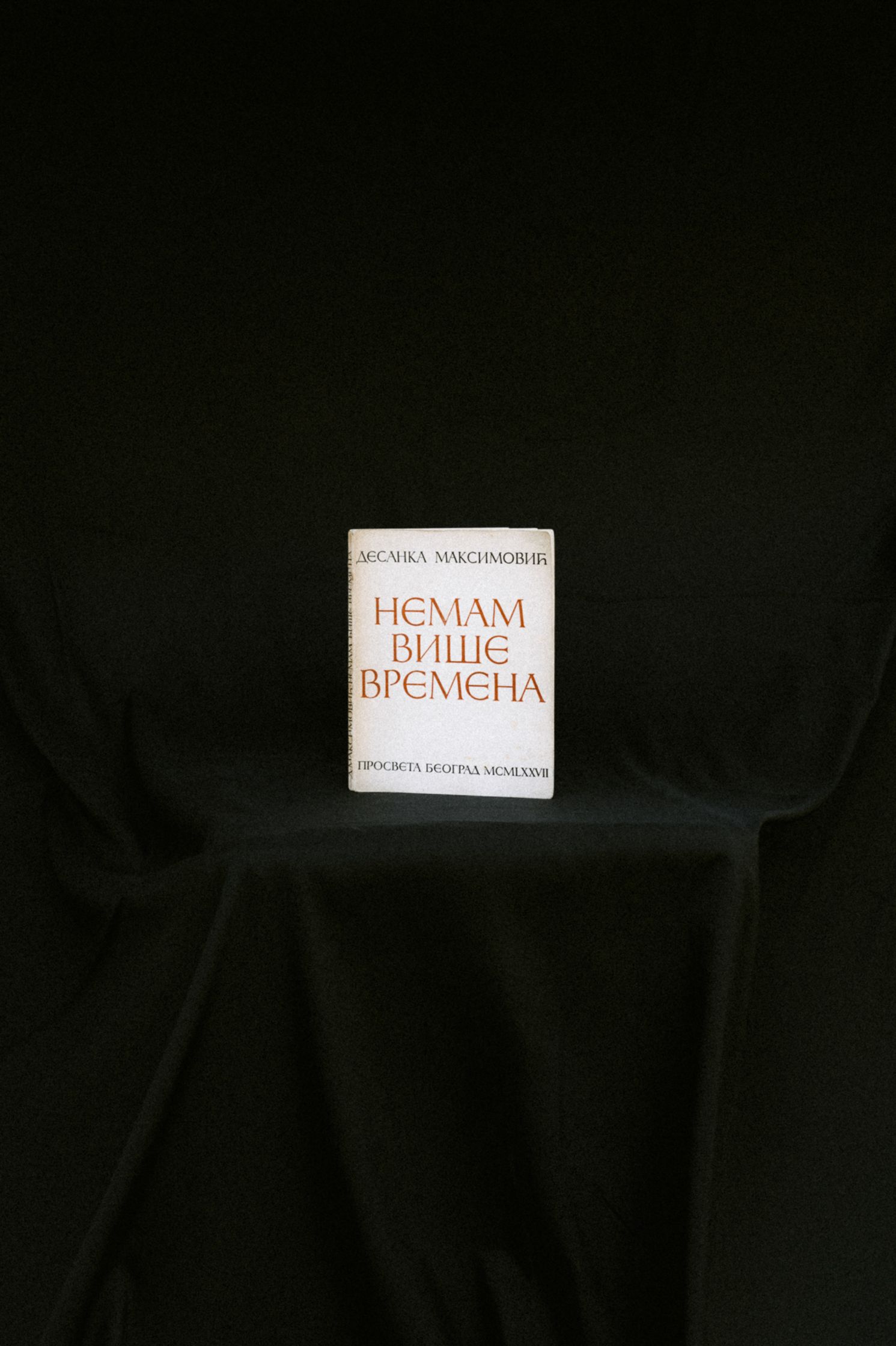
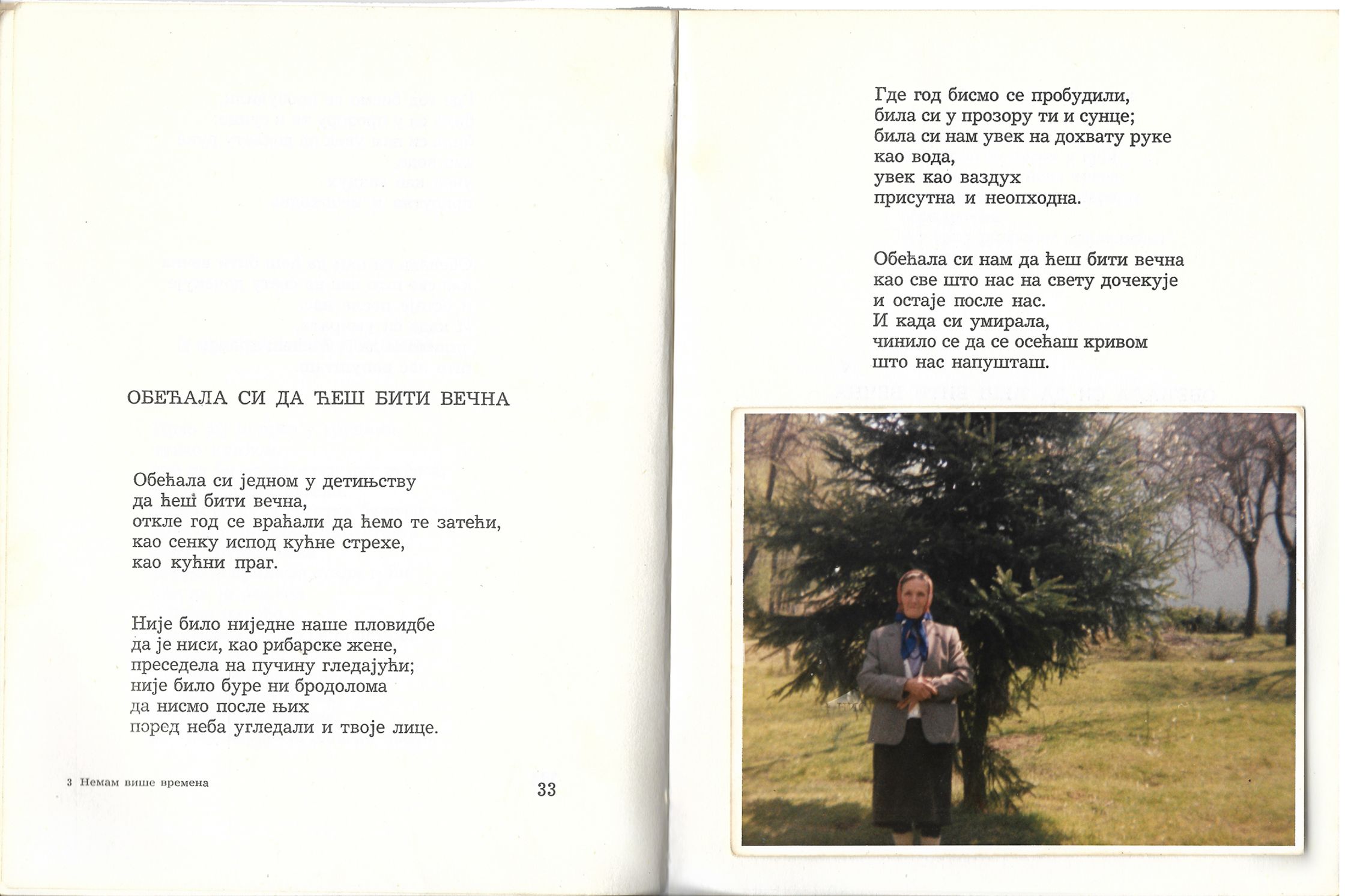
The project's title comes from a poem by Desanka Maksimović, also the name of the school in Stanari that my mother attended. The verse is a tribute to the embrace between her and her sister, but also a quiet hope that our encounters with those we have lost – someday, somewhere, further away – will last a long time, like the waiting that shaped us here.
-
Note: All notes and photographs are presented in Cyrillic. This visual and linguistic framework is part of the story's authenticity, rooted in Stanari, Bosnia and Herzegovina, within the Republika Srpska.
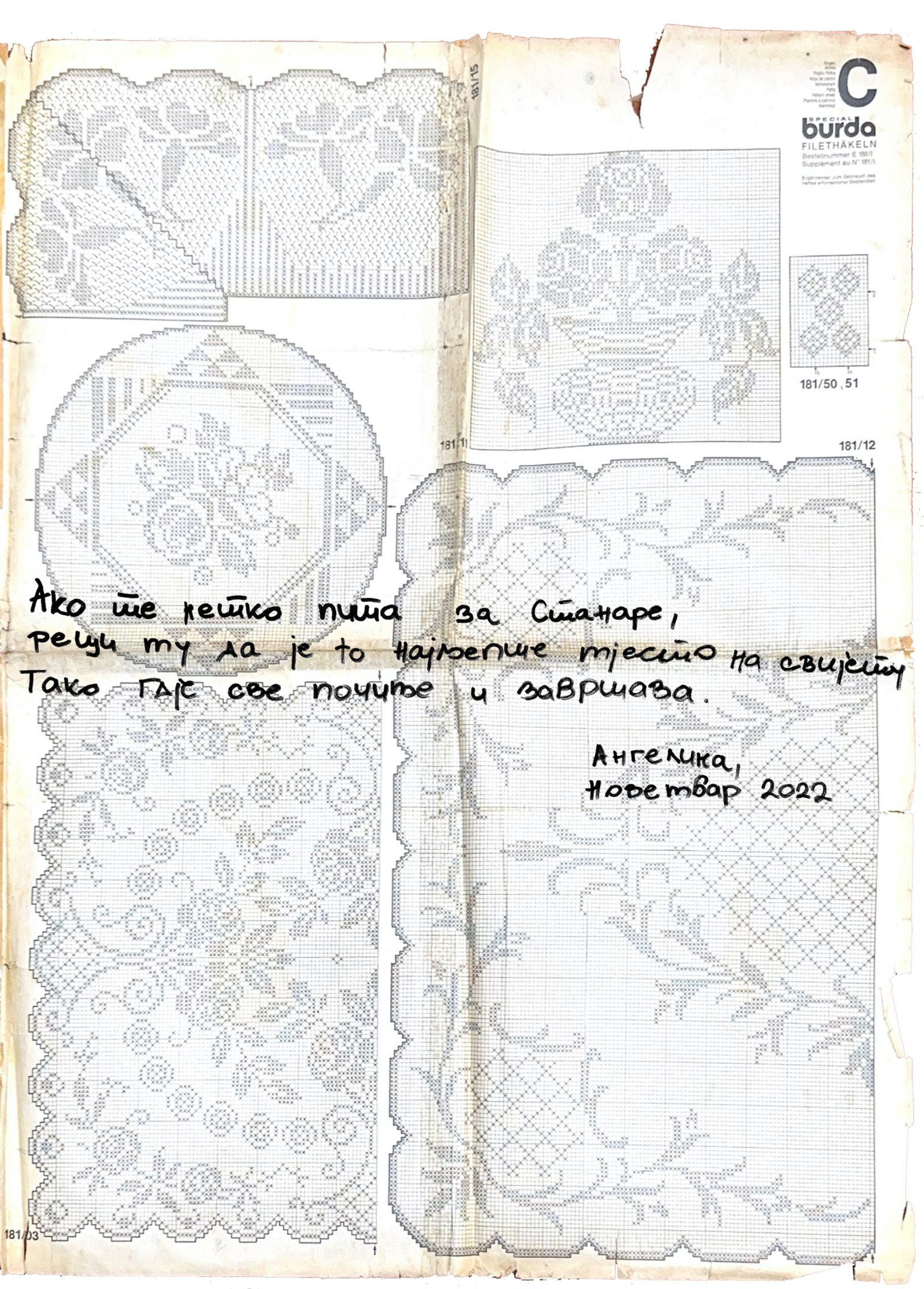
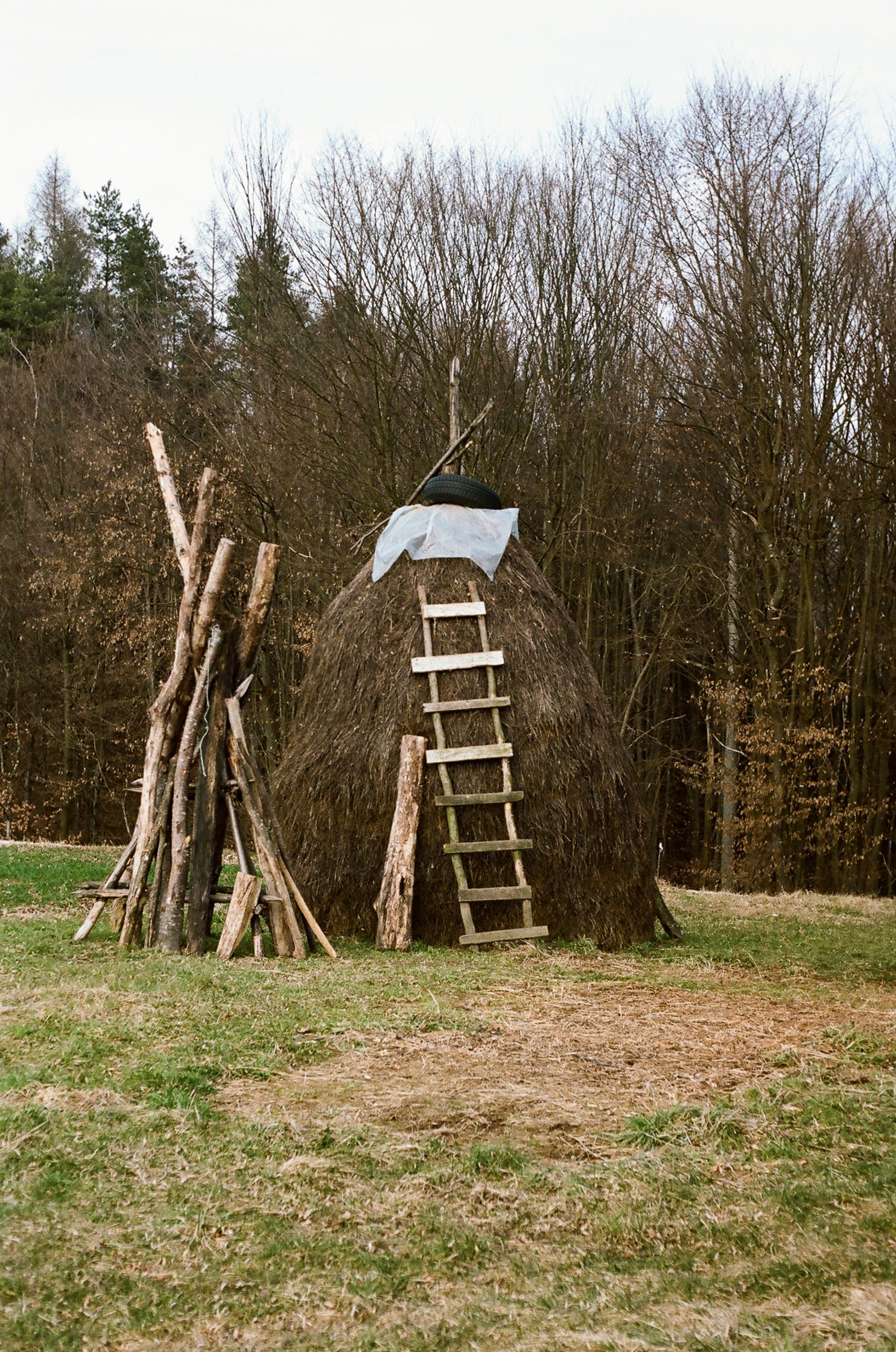
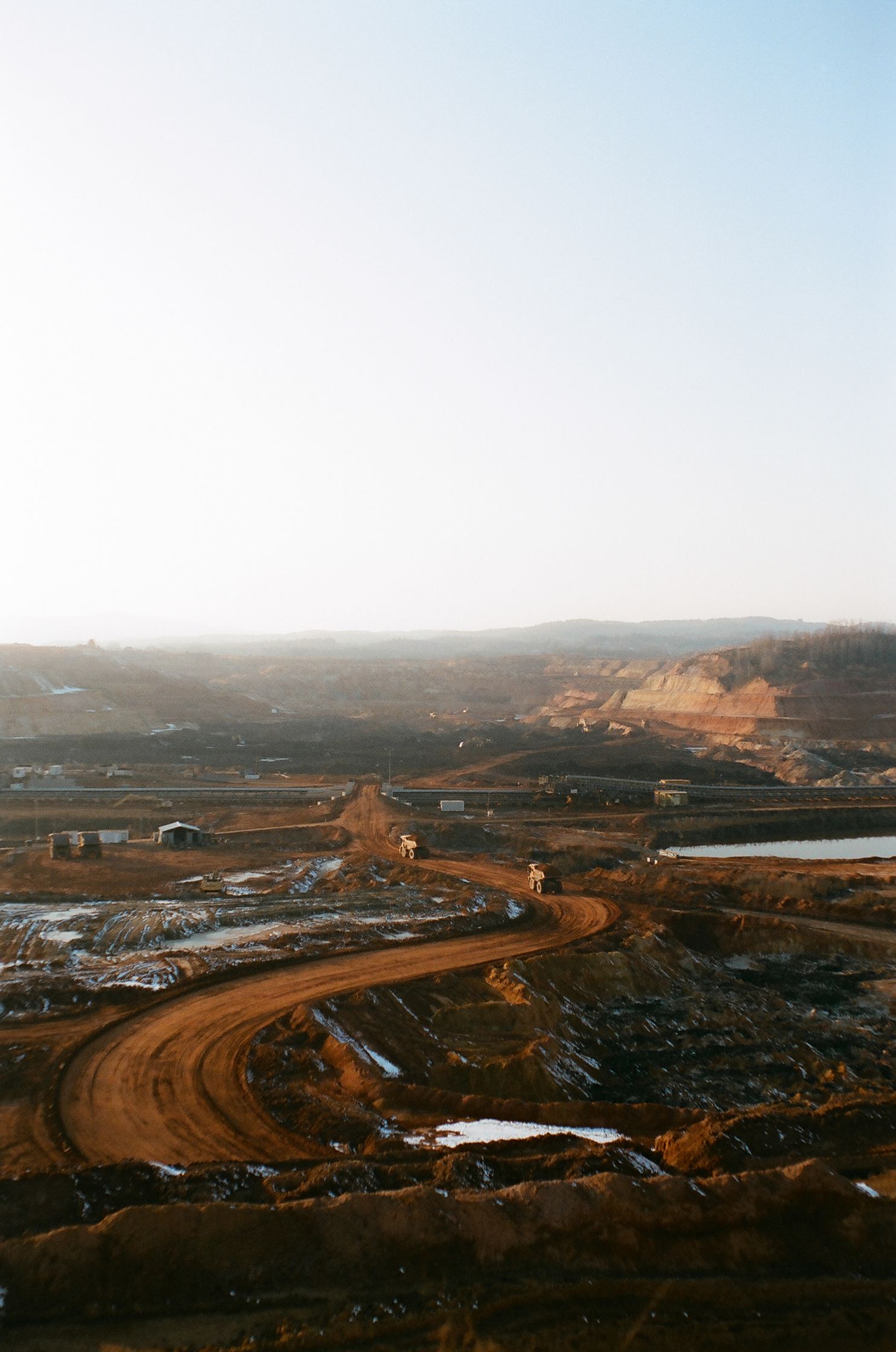
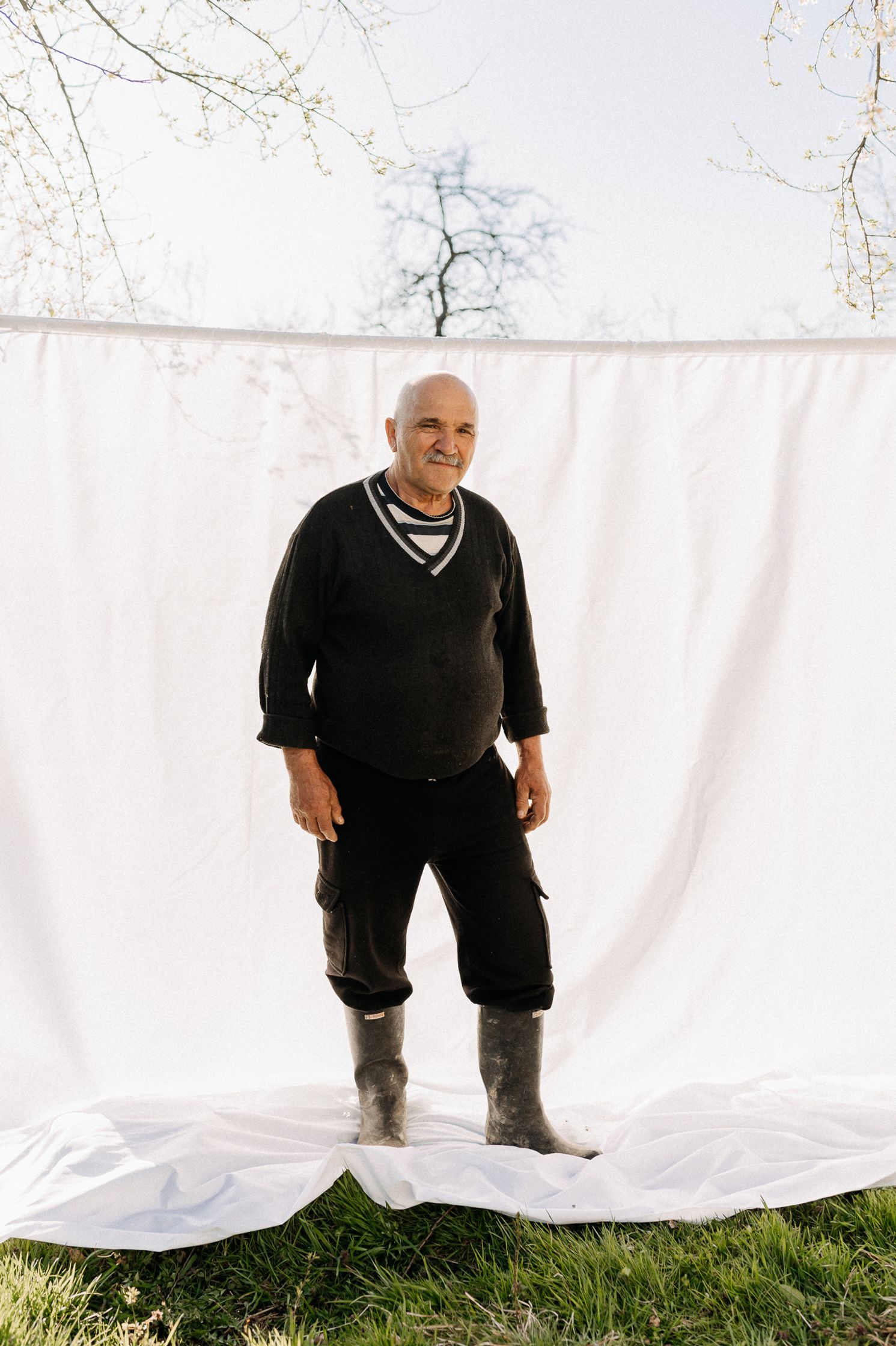
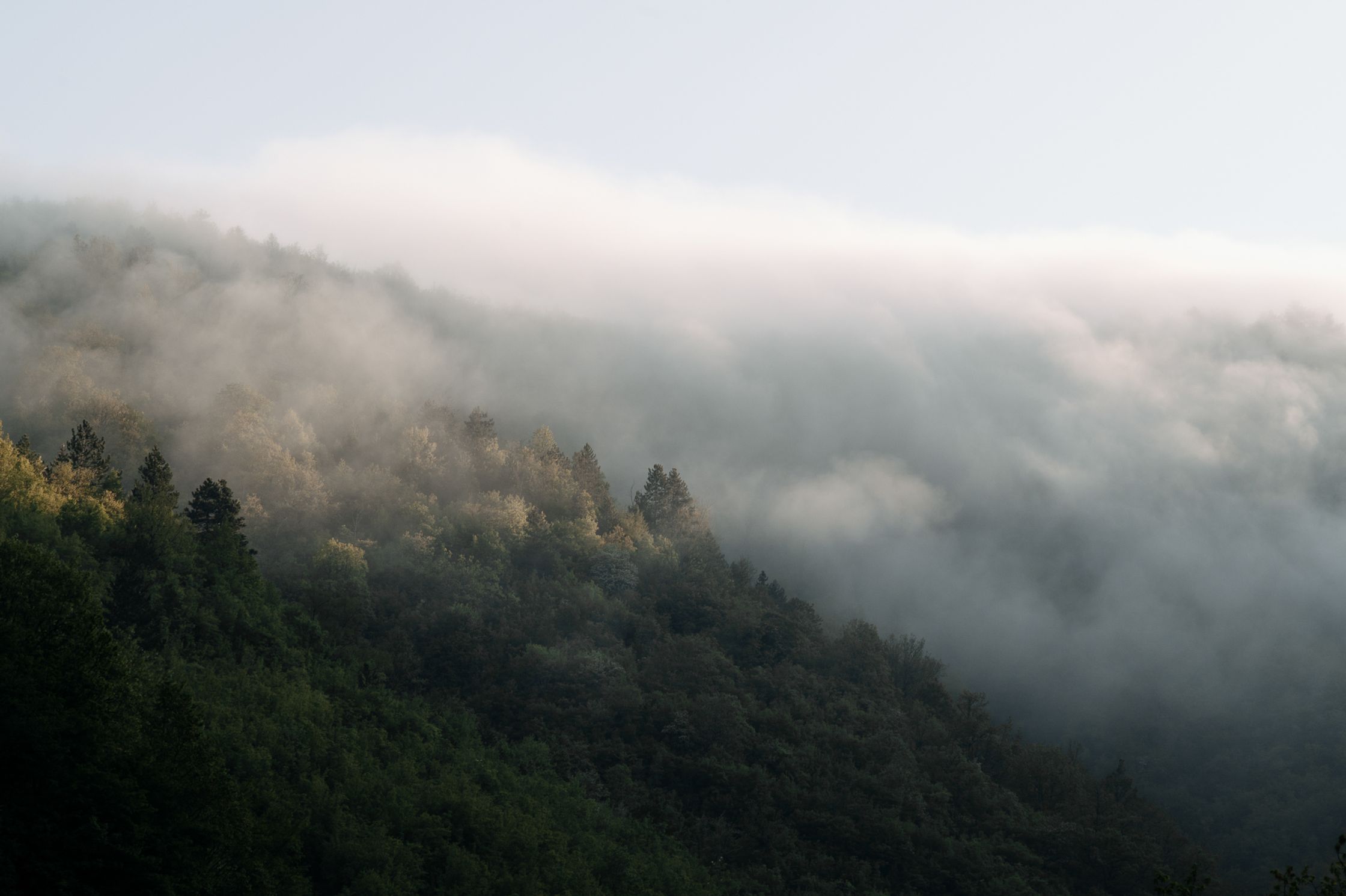
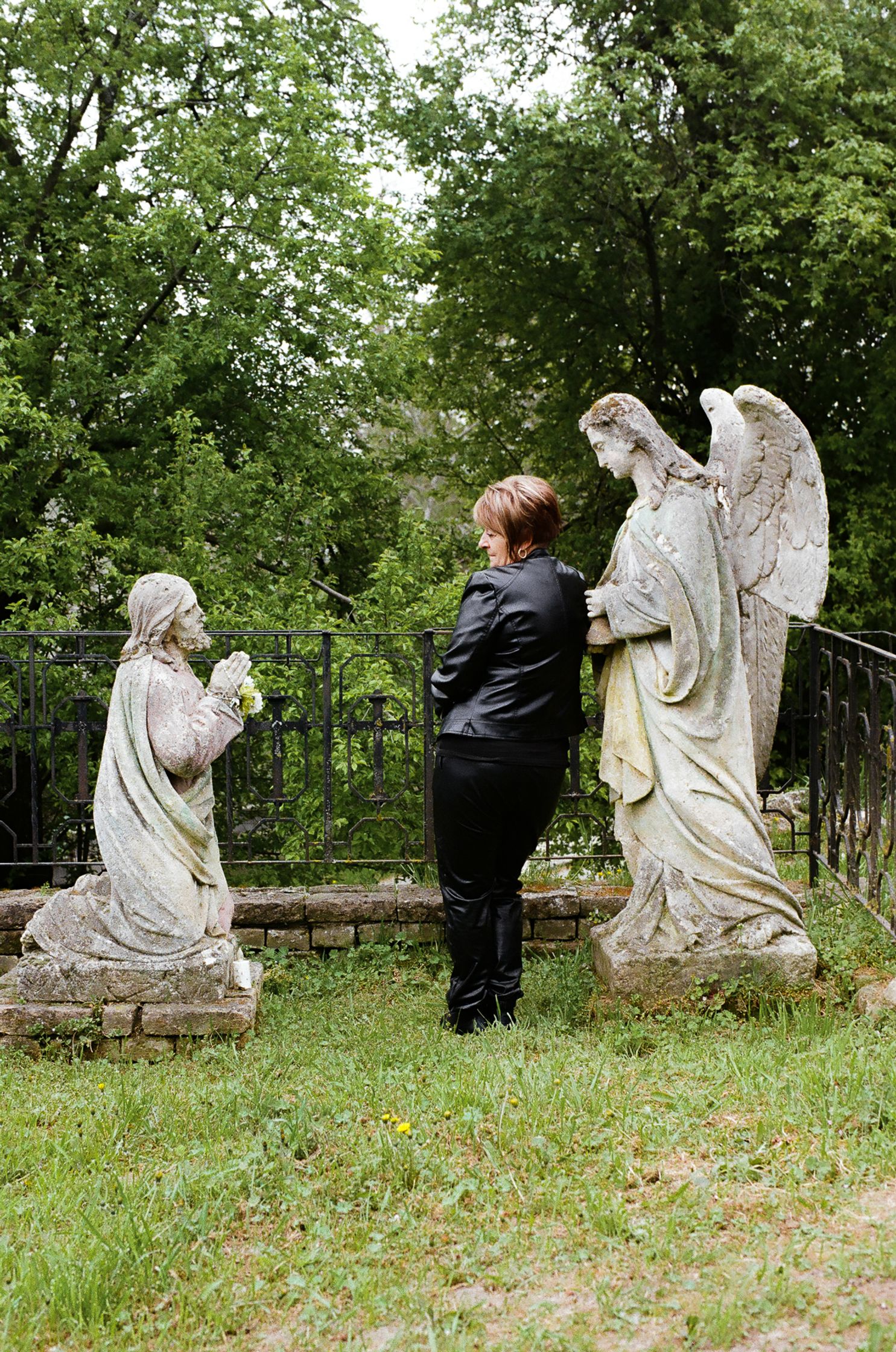
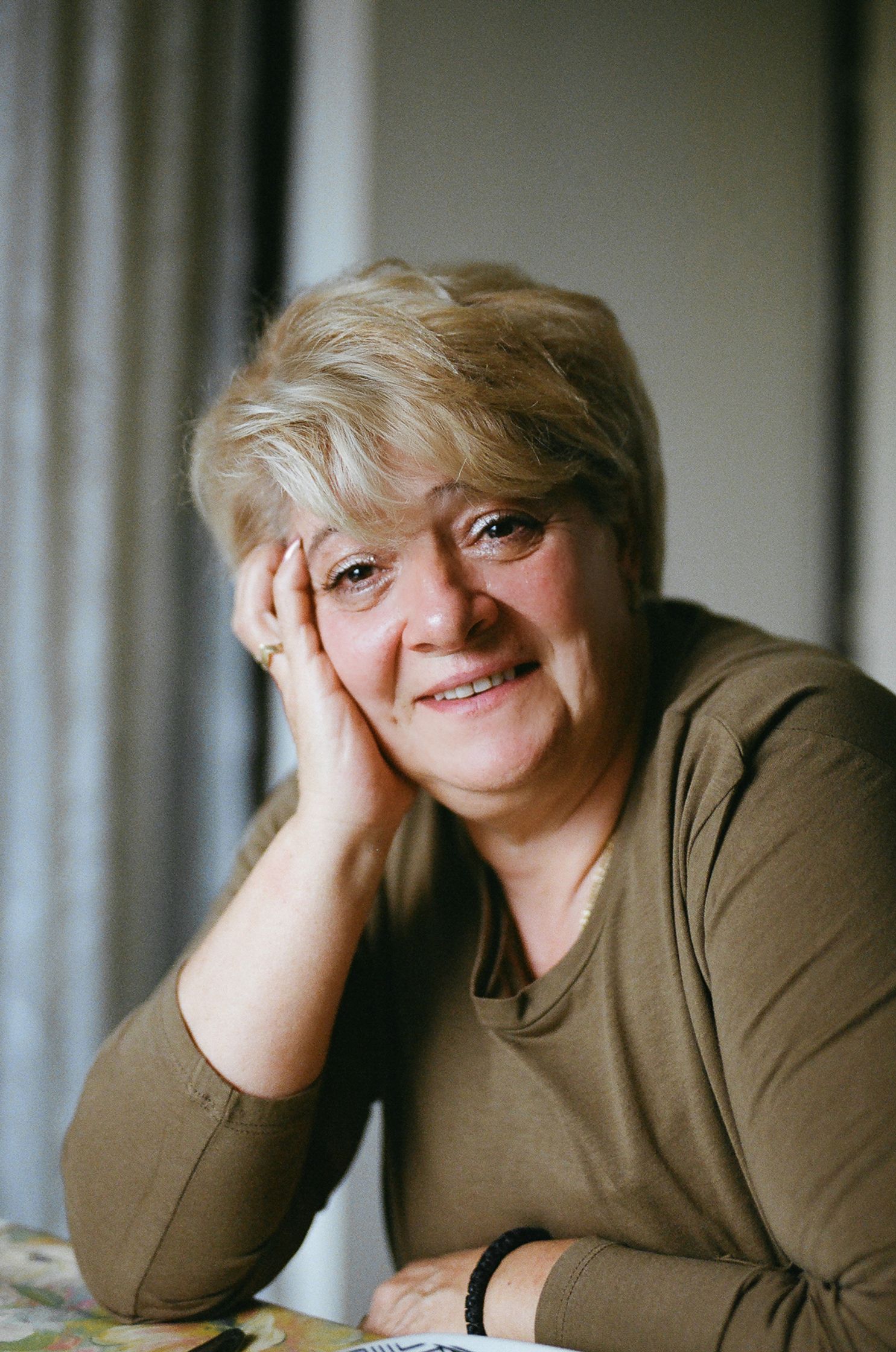
If someone asks you about Stanari, tell them it's the most beautiful place in the world, where everything begins and ends. Angelina, November 2022. My mother's quote.
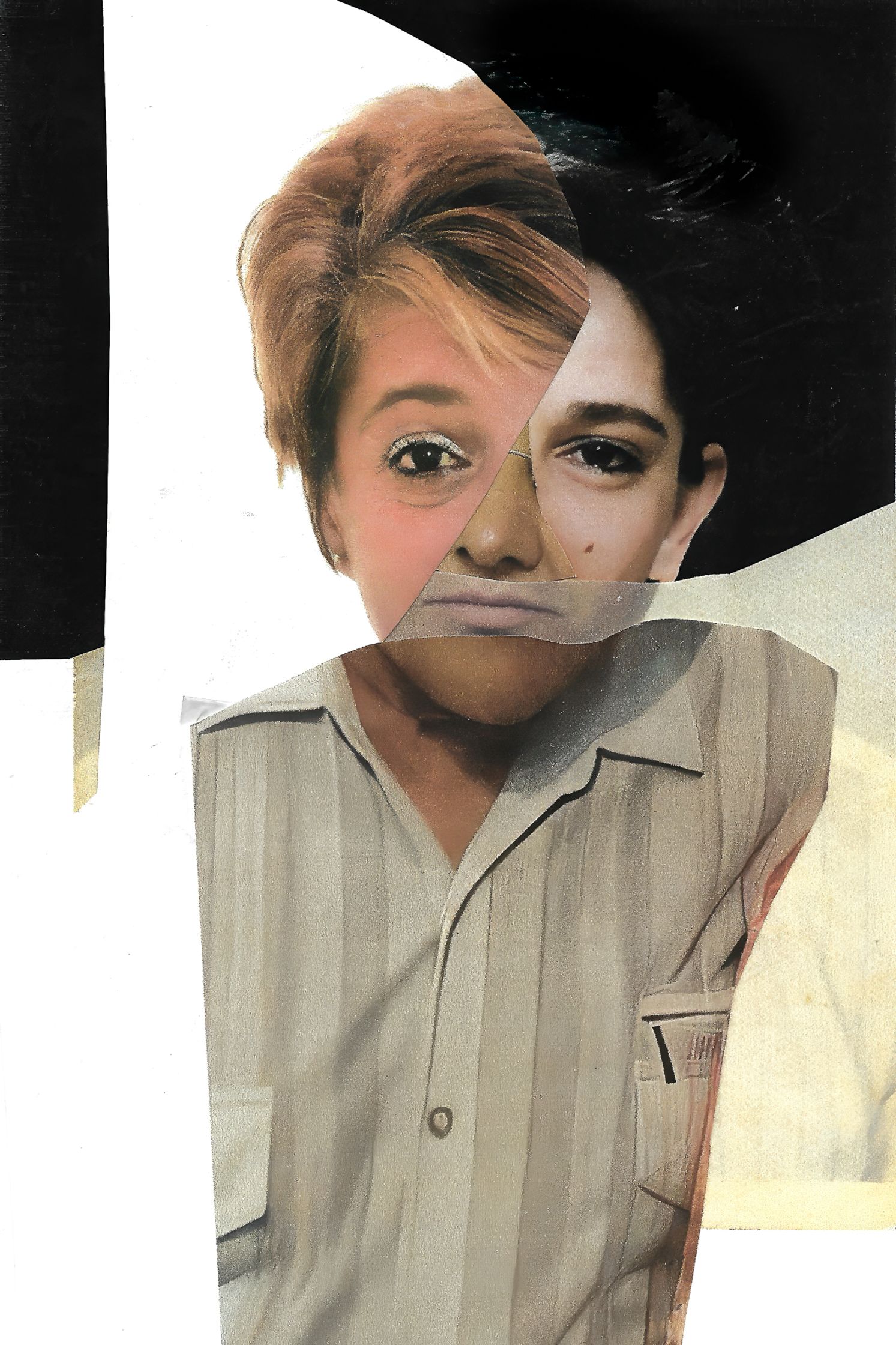
"Portrait of Five Siblings" is a collage work created from small ID photos of my mother, two aunts, and two uncles.
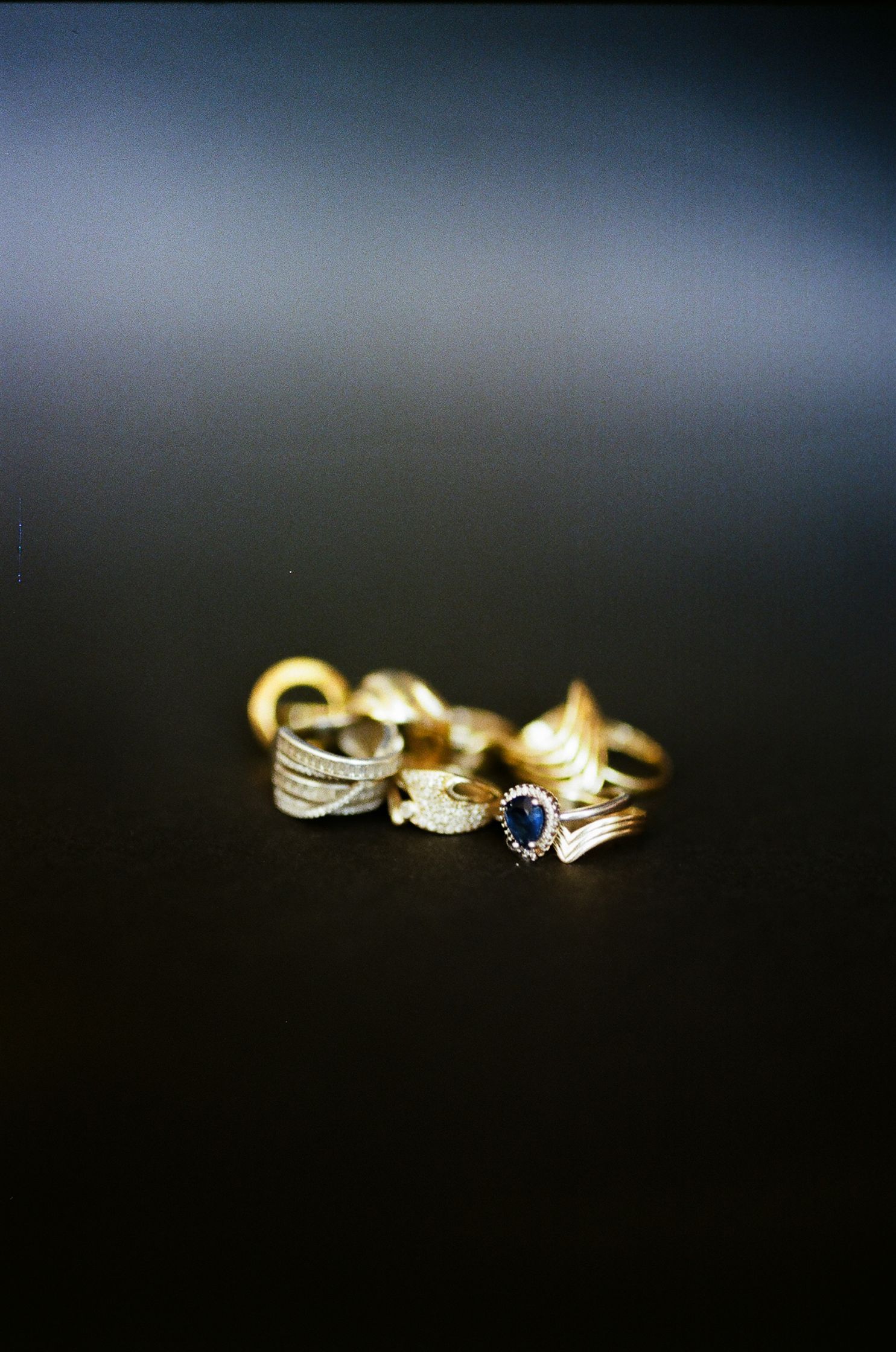
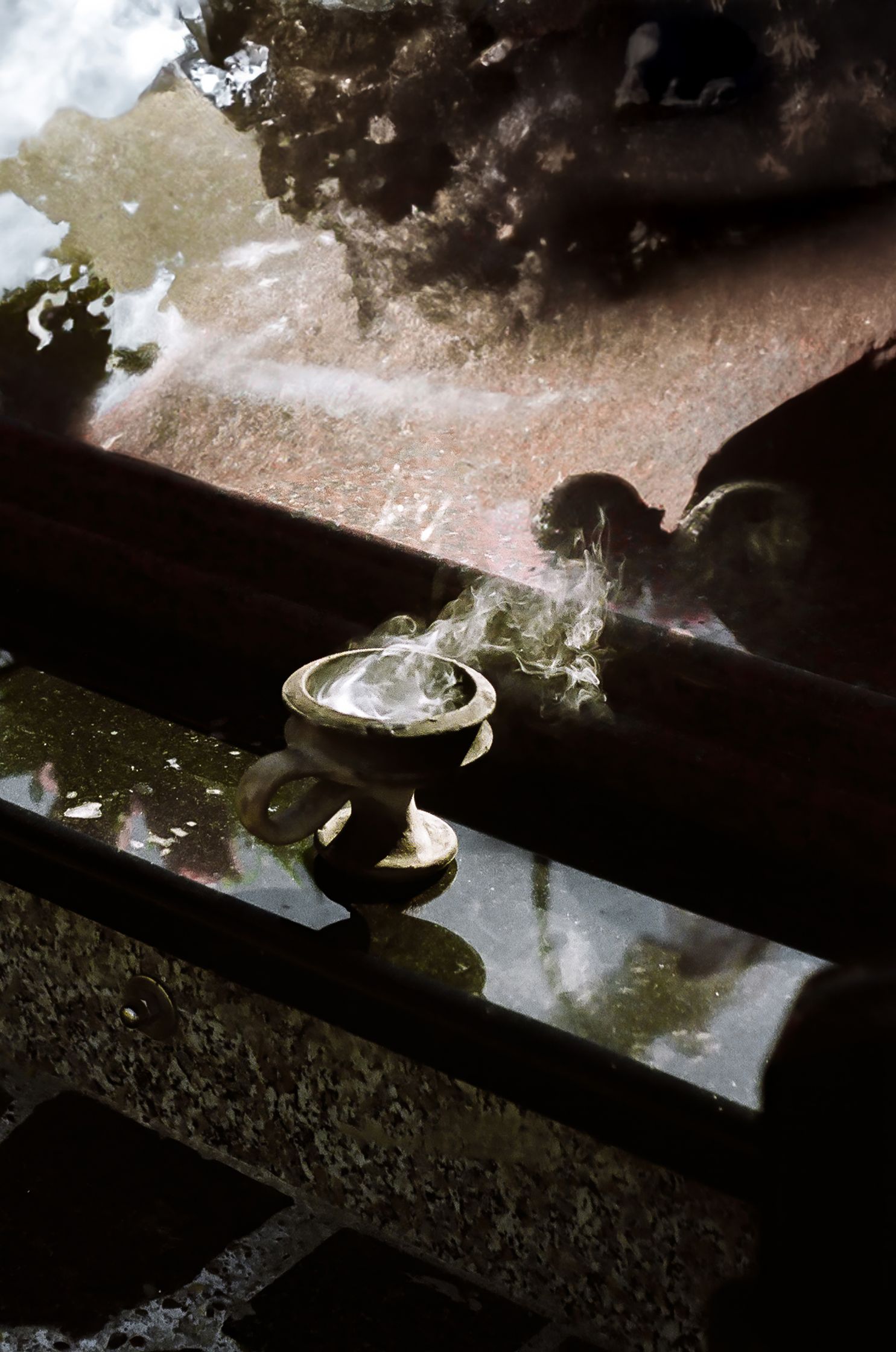
Coal from the "Stanari" mine with my mother's gold symbolizes hard physical labor, and a candle that symbolizes transience and memory.
Portrait of my mother's brother Tomislav
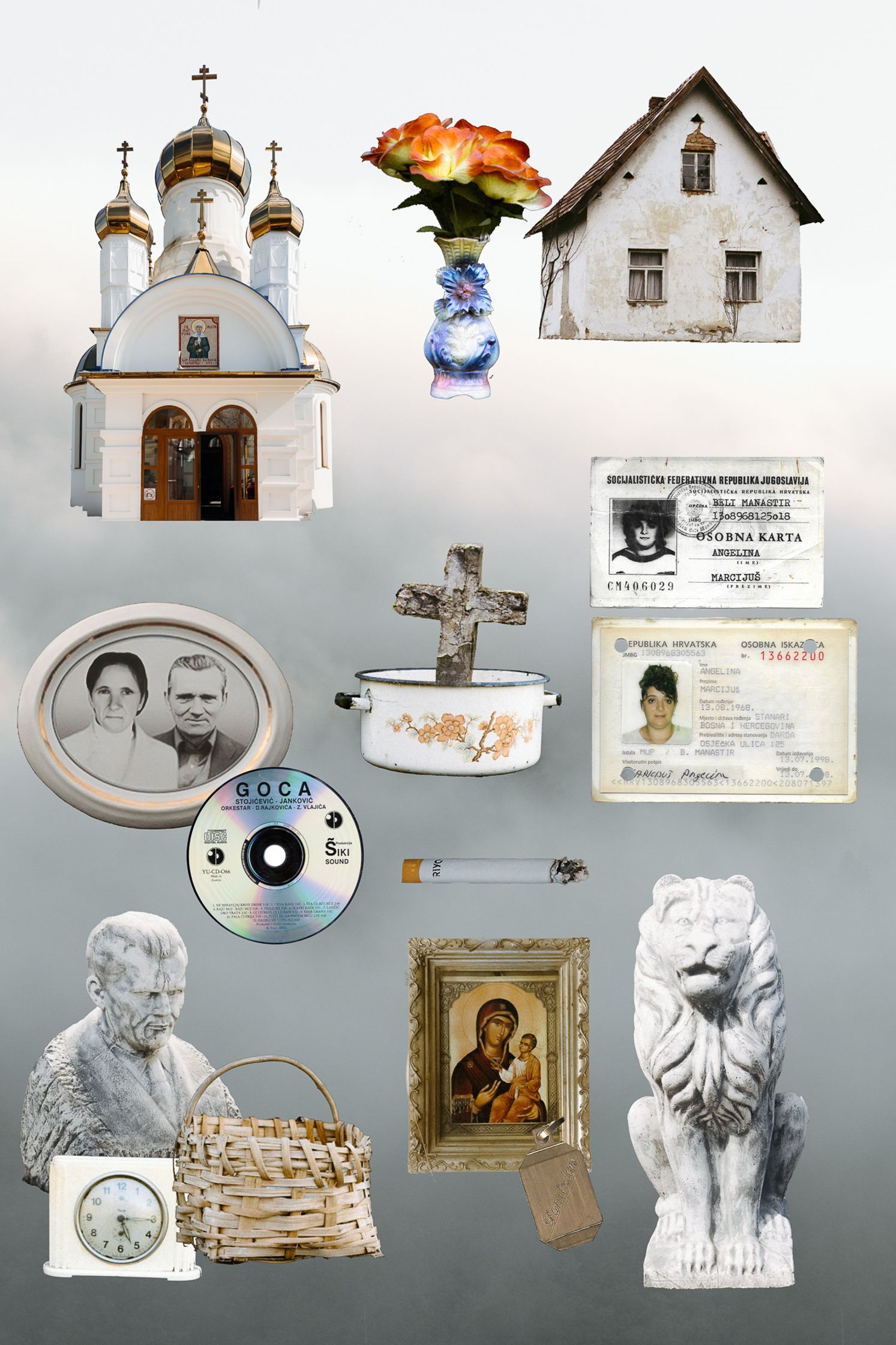
A "map" of my mother's belongings, tracing fragments of her life and origin: a church, a statue of Tito, her Yugoslav and early Croatian ID cards, a grave portrait of her parents, and a statue of Leo – her zodiac sign. A music CD by Gordana Stojičević, she often listened to, and a cigarette, sometimes left beside cemetery candles for those who smoked.
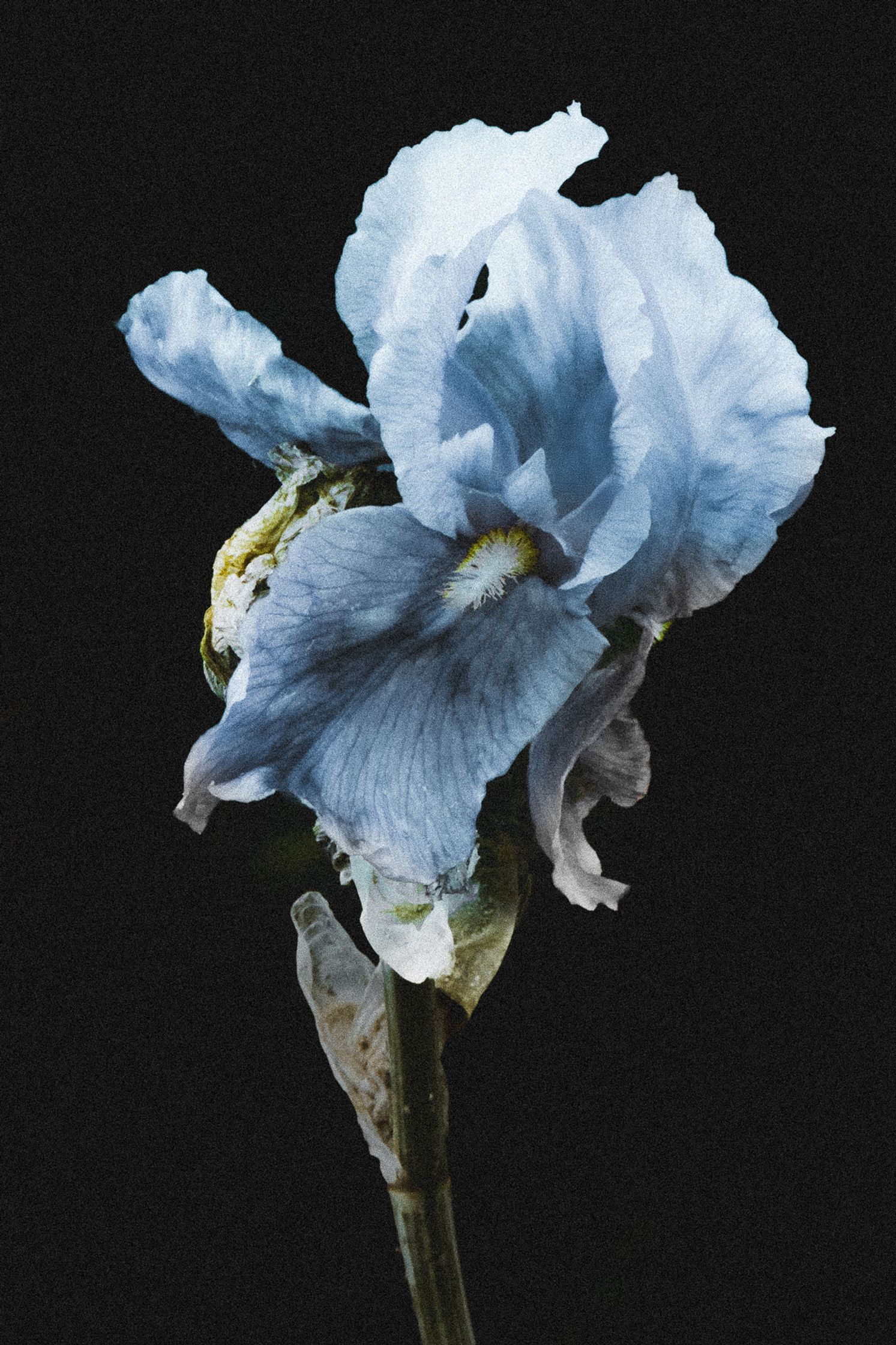
The iris flower symbolizes faith, hope, wisdom, and the transition between worlds. In many cultures, people associate iris flowers with spirituality and death. These blooms often brighten cemeteries.
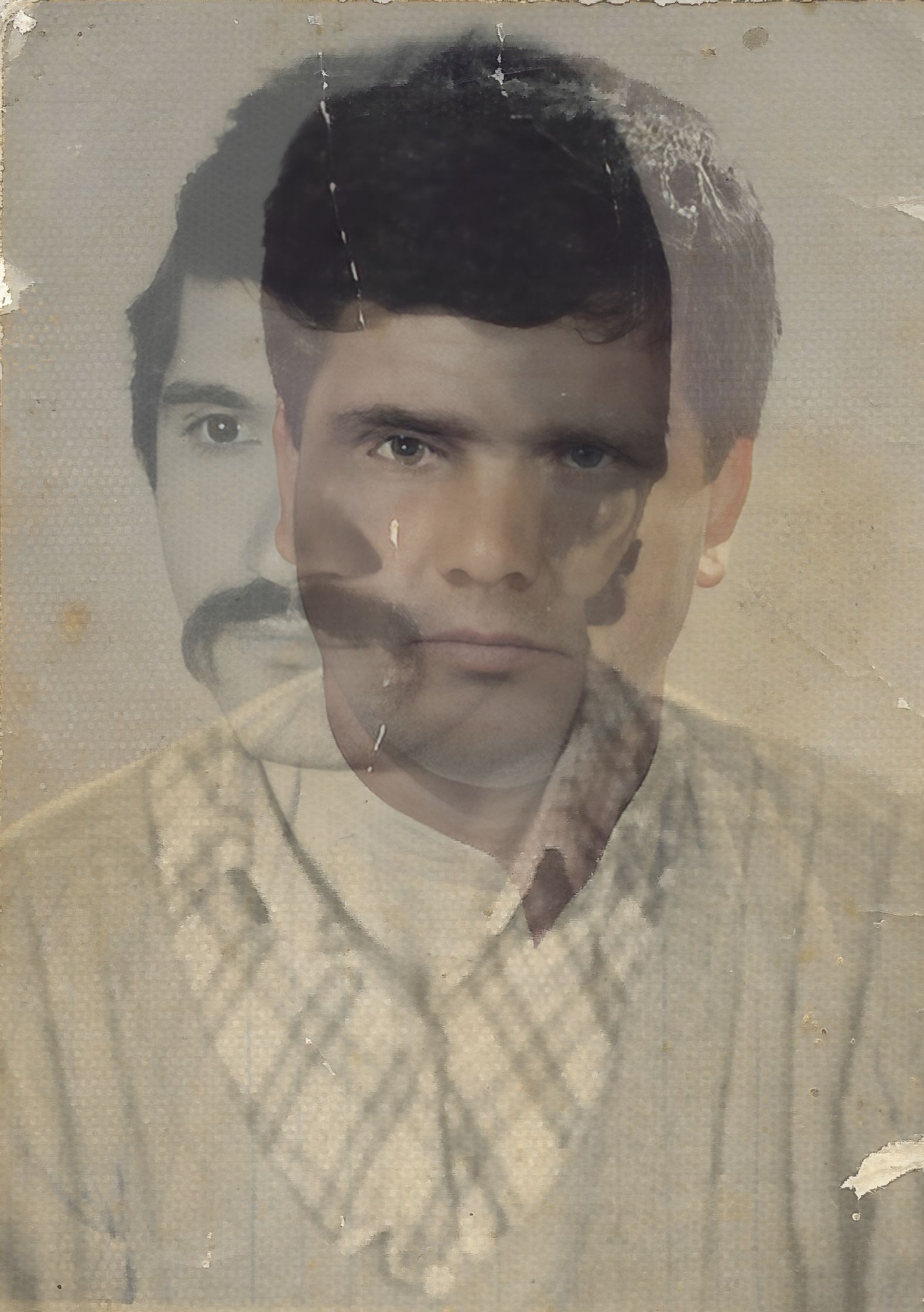
The photo shows my mother's brothers — Miroslav on the right, who has passed away, and Tomislav on the left, after whom I was named. A double exposure of the scans highlights their resemblance.
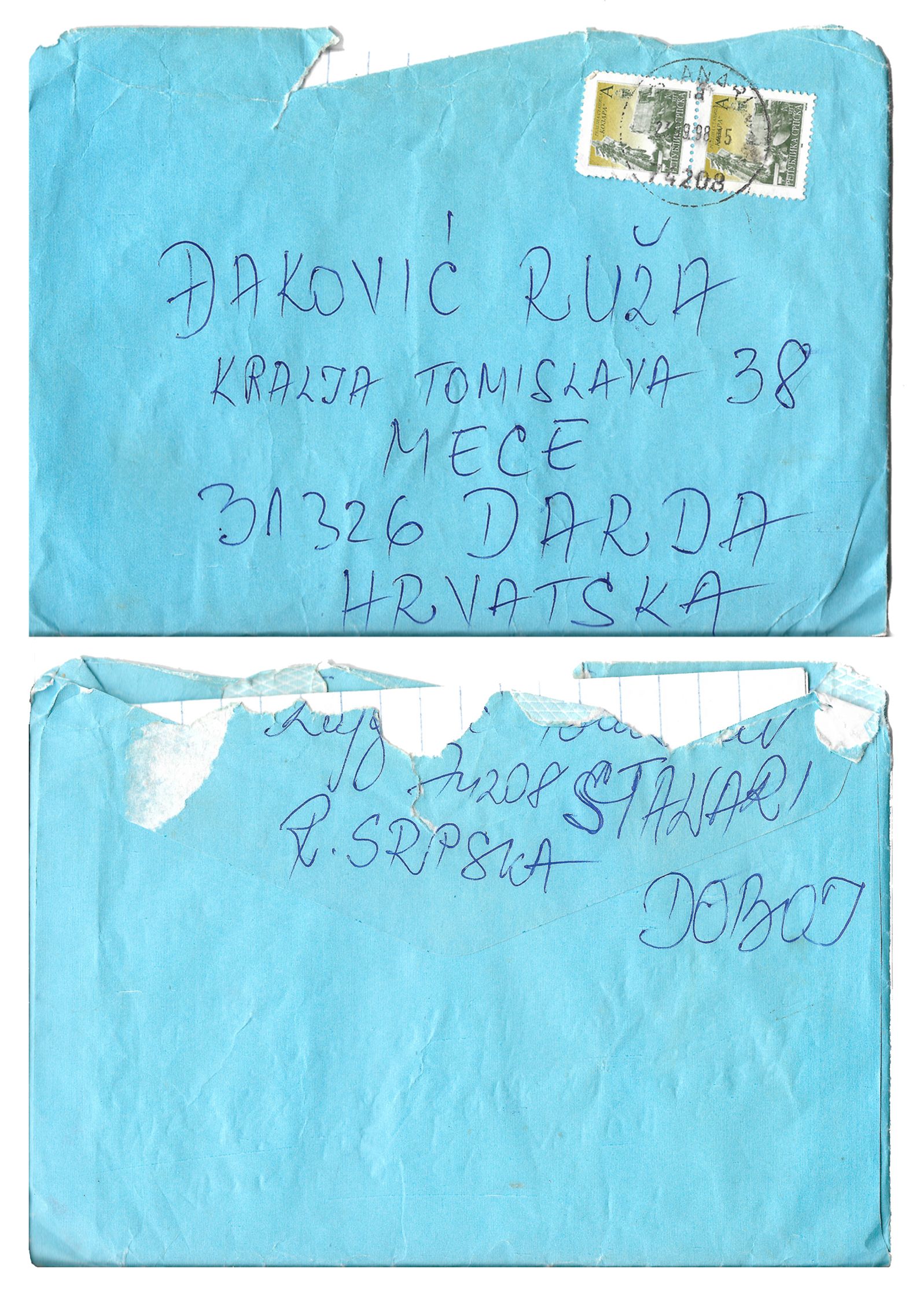
The envelope my mother used to send a letter to her family in Stanari during the war.
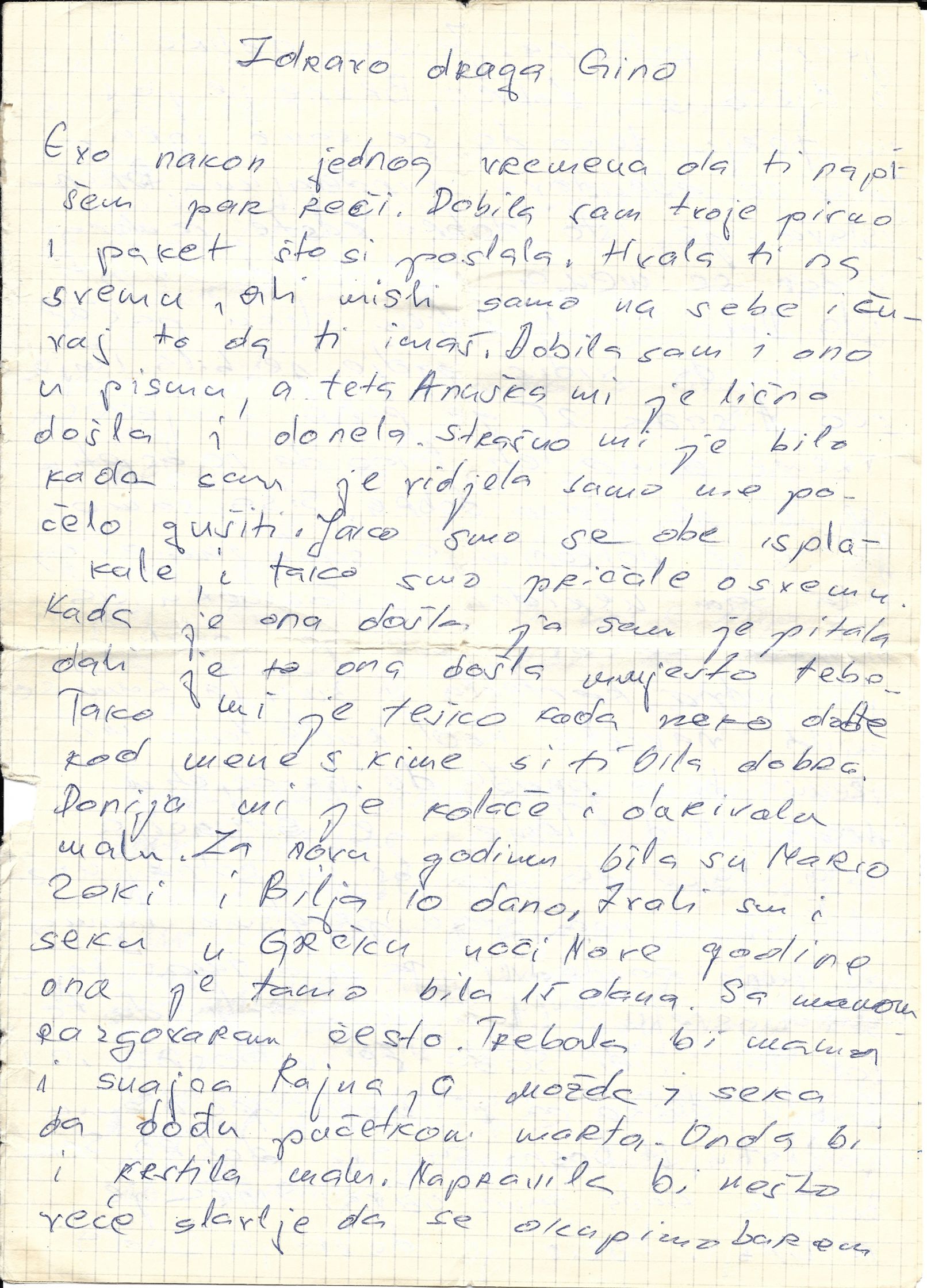
My mother received this letter from her sister Ruža during the Homeland War, pt.I
My mother received this letter from her sister Ruža during the Homeland War, pt.II
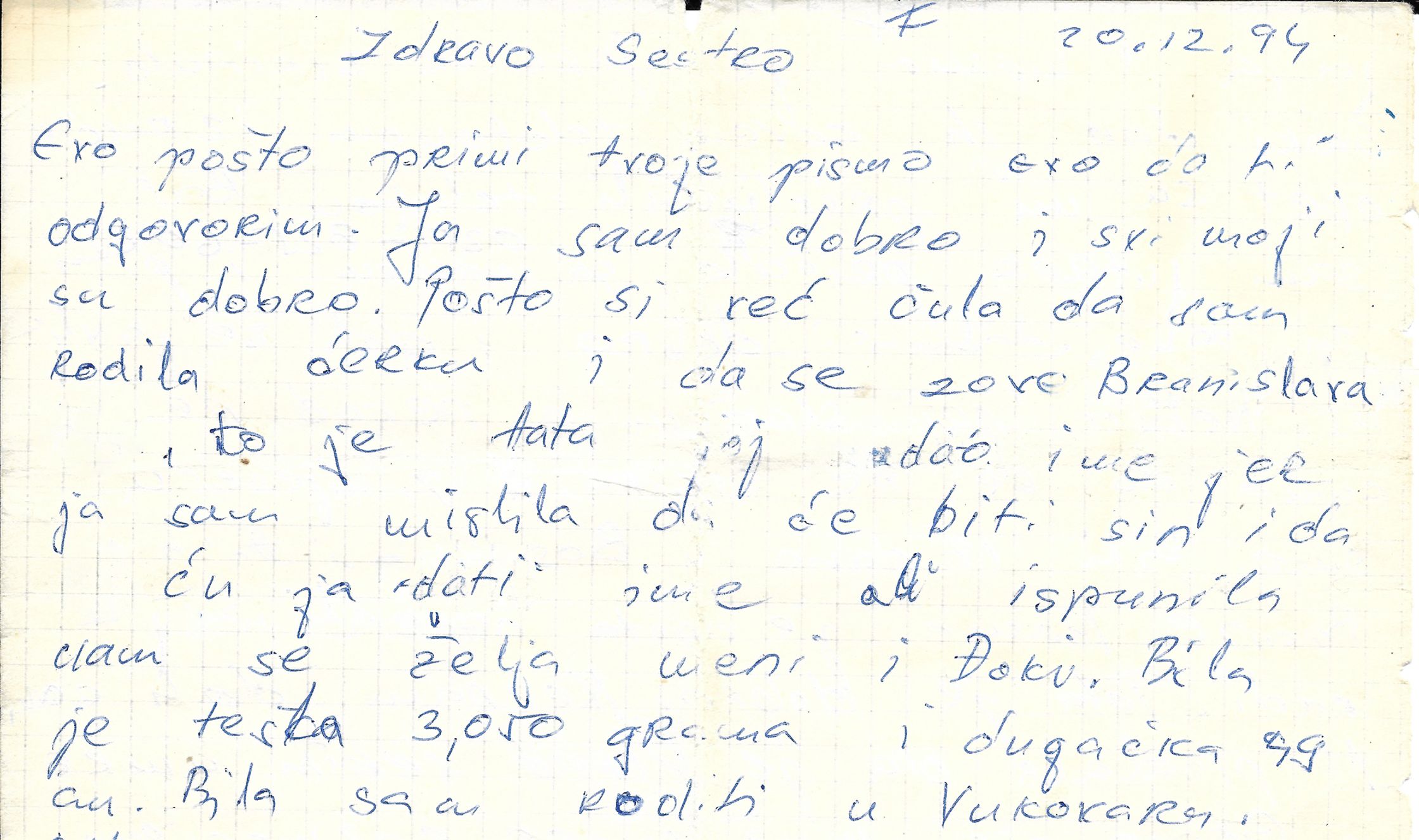
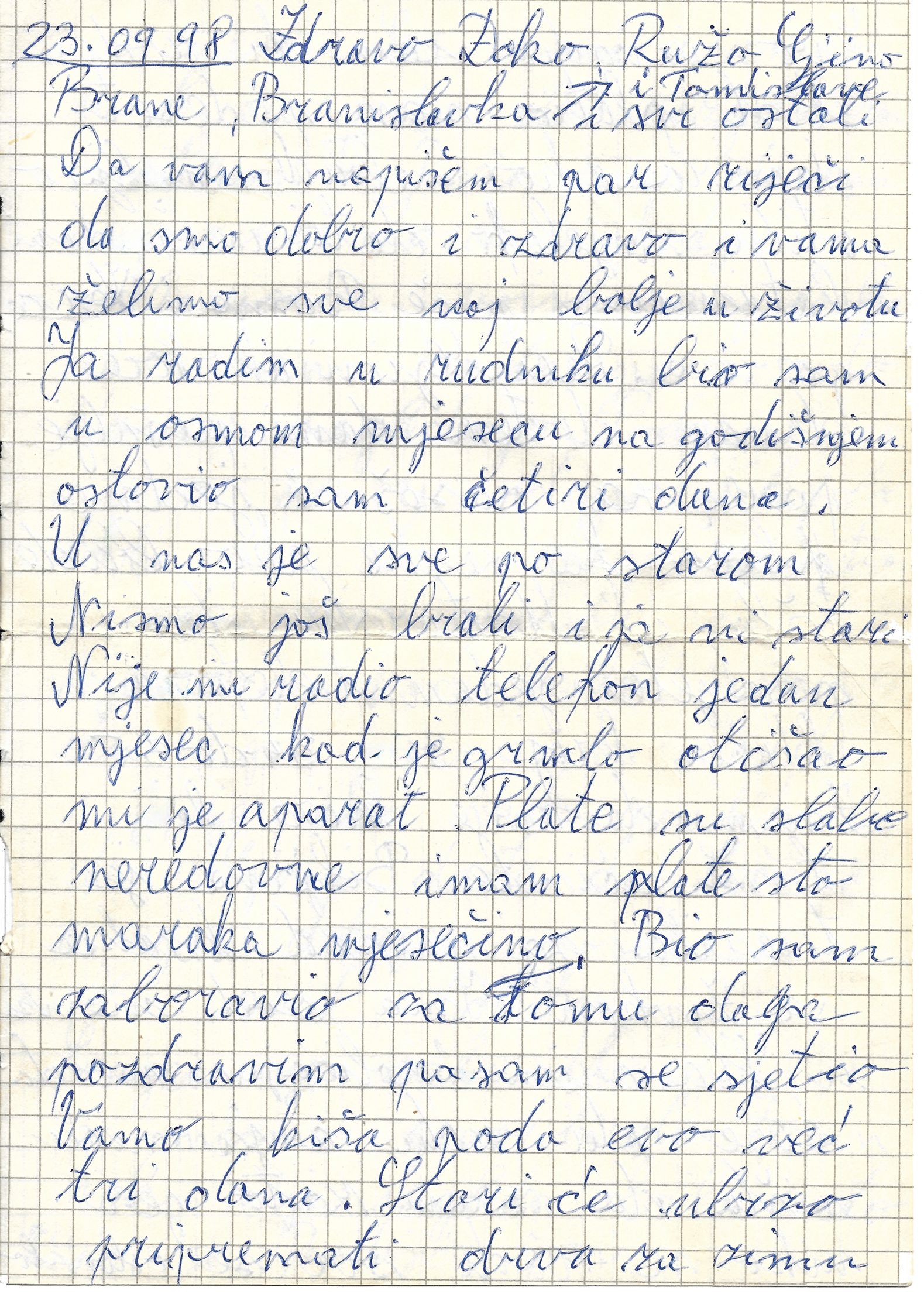
My mother received this letter from her brother Tomislav a few years after the war. At that time, communication was still difficult due to the lack of internet and limited access to phones. pt.I
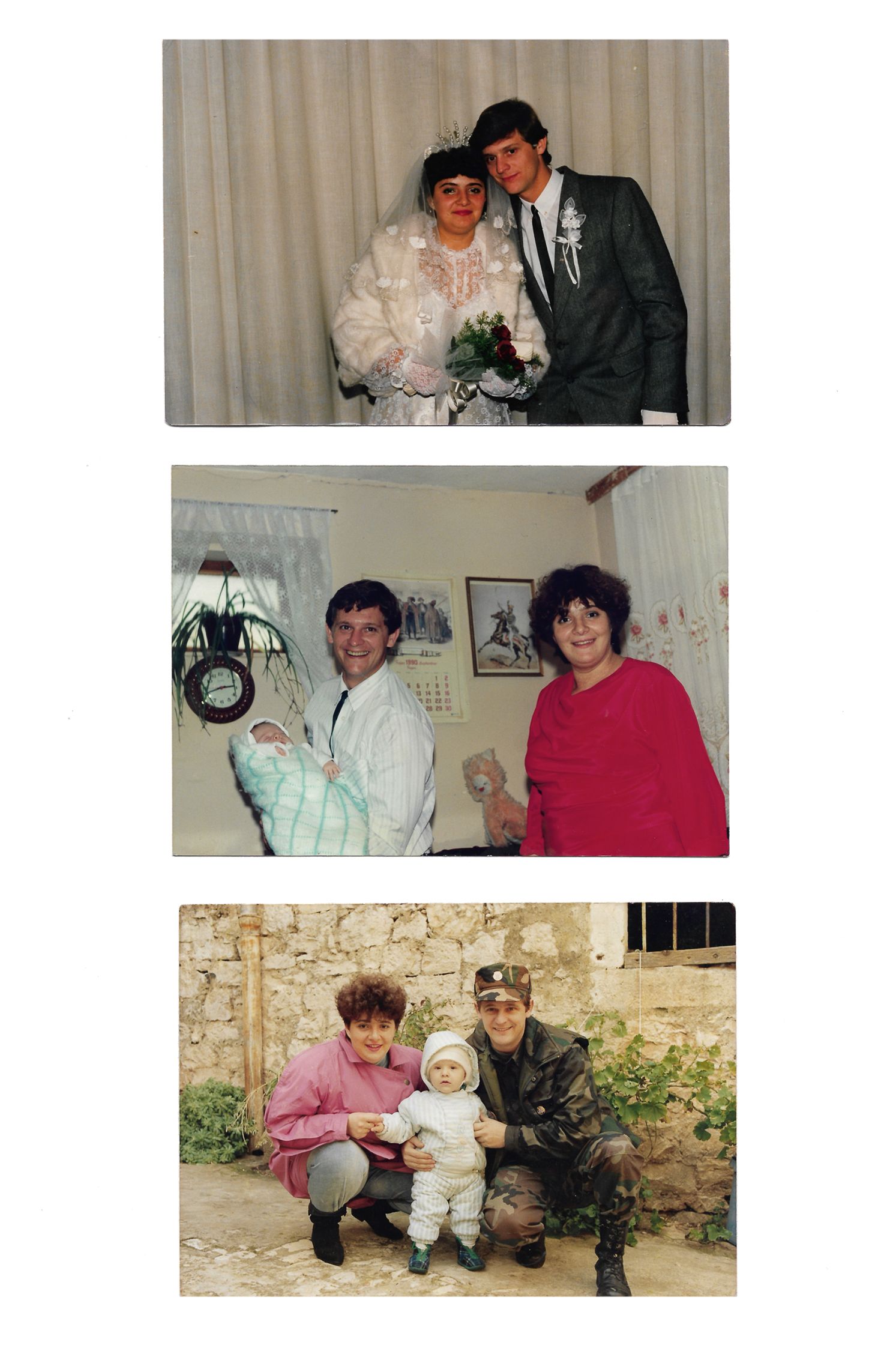
Three scanned photographs — my parents' wedding (my mother, wearing a wedding dress sewn by my late grandmother Anuška.), my birth, and a portrait taken during the Homeland War — mark the beginning of a family and a new life, but also rapid changes.
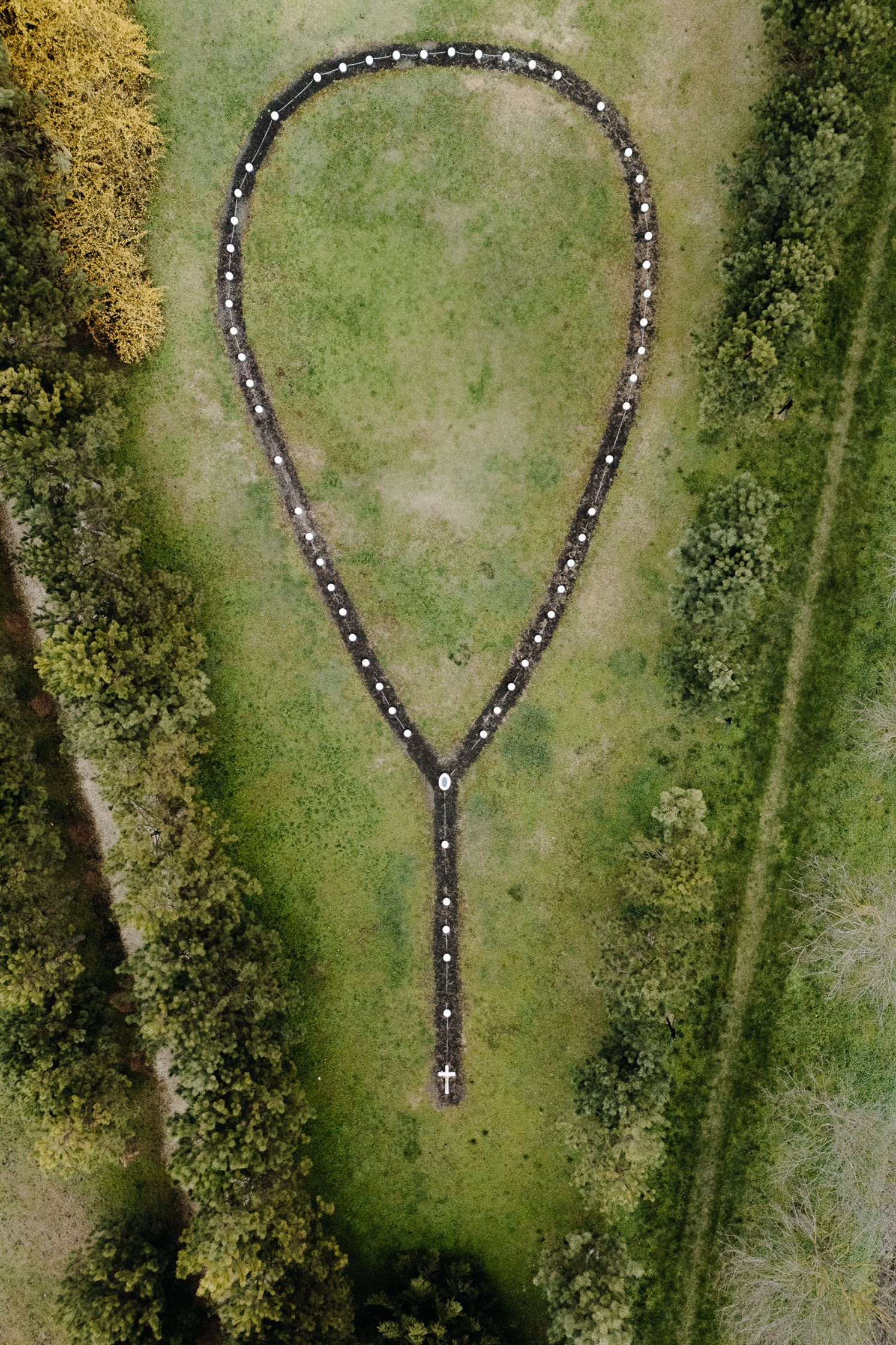
The rosary is located at the shrine "Vodica Máriakert Kegyhely" in Hungary, near the Serbian border and not far from where people met during the Homeland War.
This is a photo of my late grandmother, Rosa, alongside the poem "You Promised That You Would Be Eternal" by Desanka Maksimović.
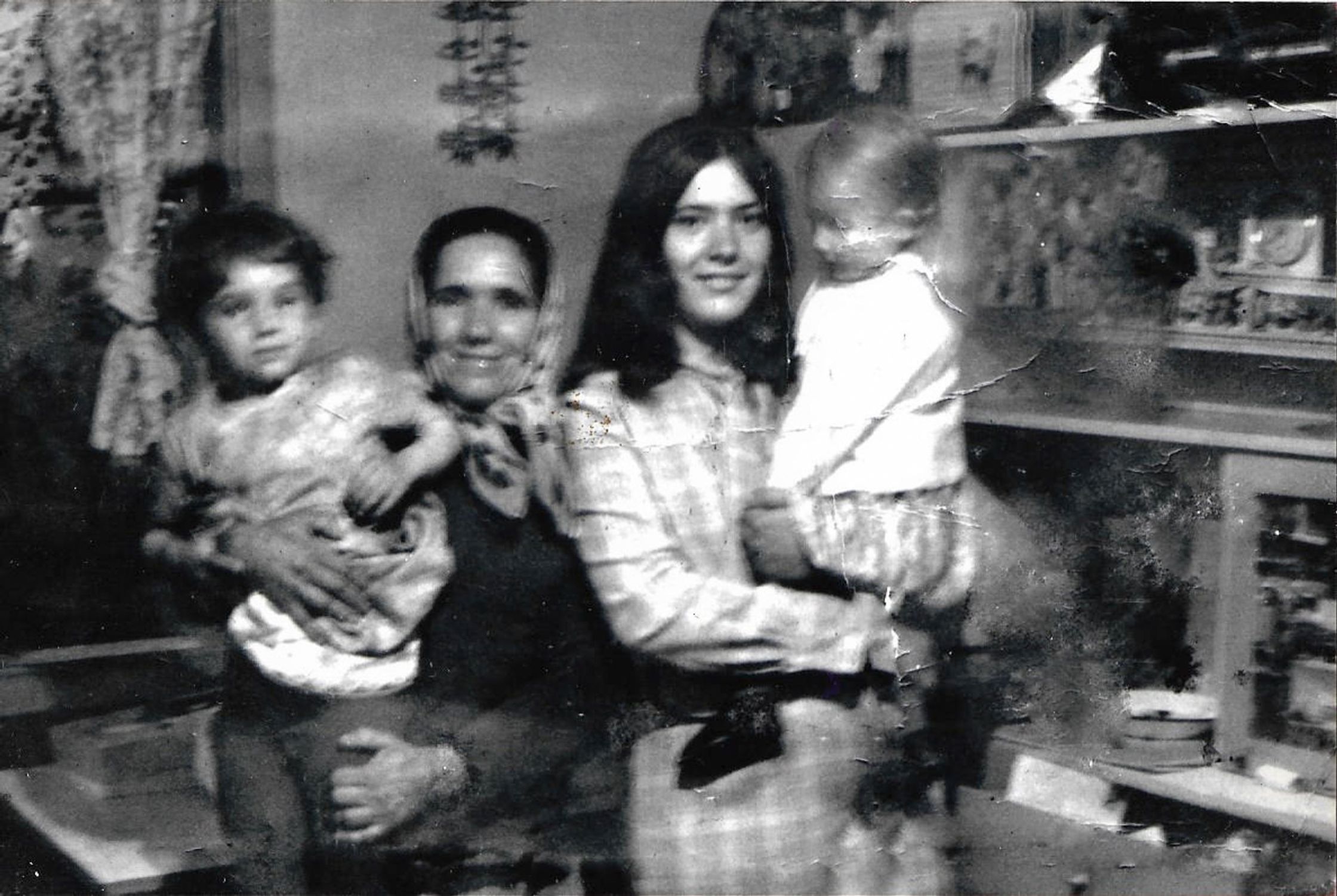
Three generations of women: my mother and aunt, held by my late grandmother and aunt Bosiljka.
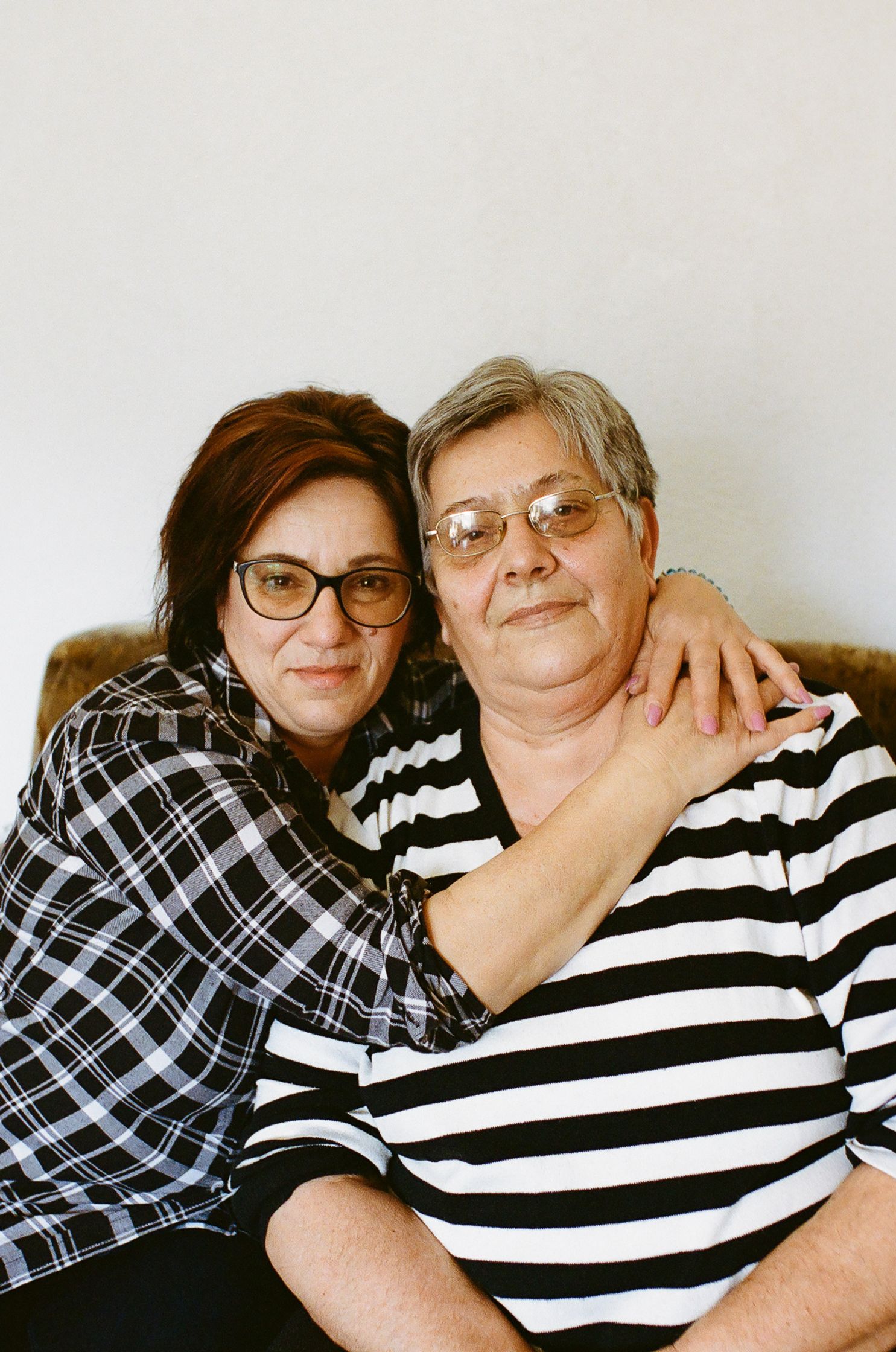
Portrait of my mother's two sisters, Ruža and Bosiljka.
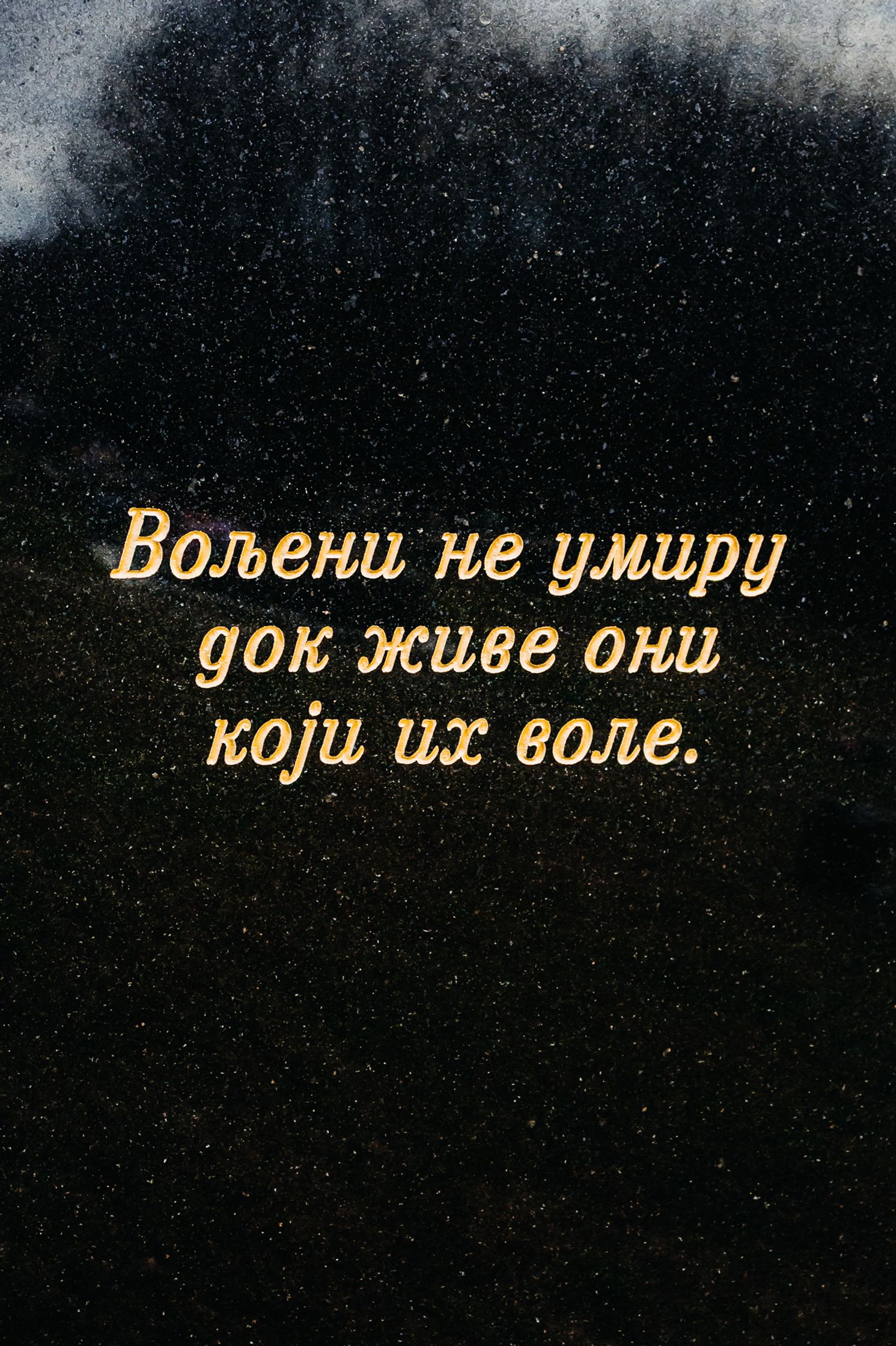
"Beloved ones don't die while they are loved by those who are still alive."
"Our embrace will be long, like the waiting."
If someone asks you about Stanari, tell them it's the most beautiful place in the world, where everything begins and ends. Angelina, November 2022. My mother's quote.